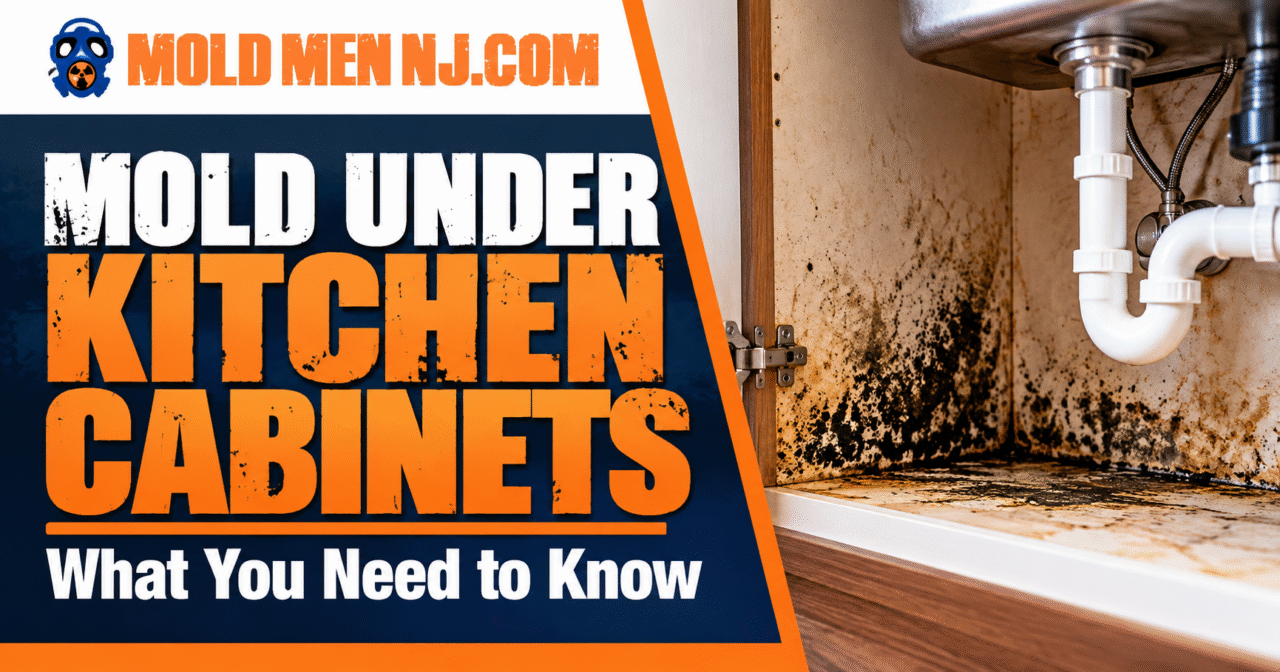
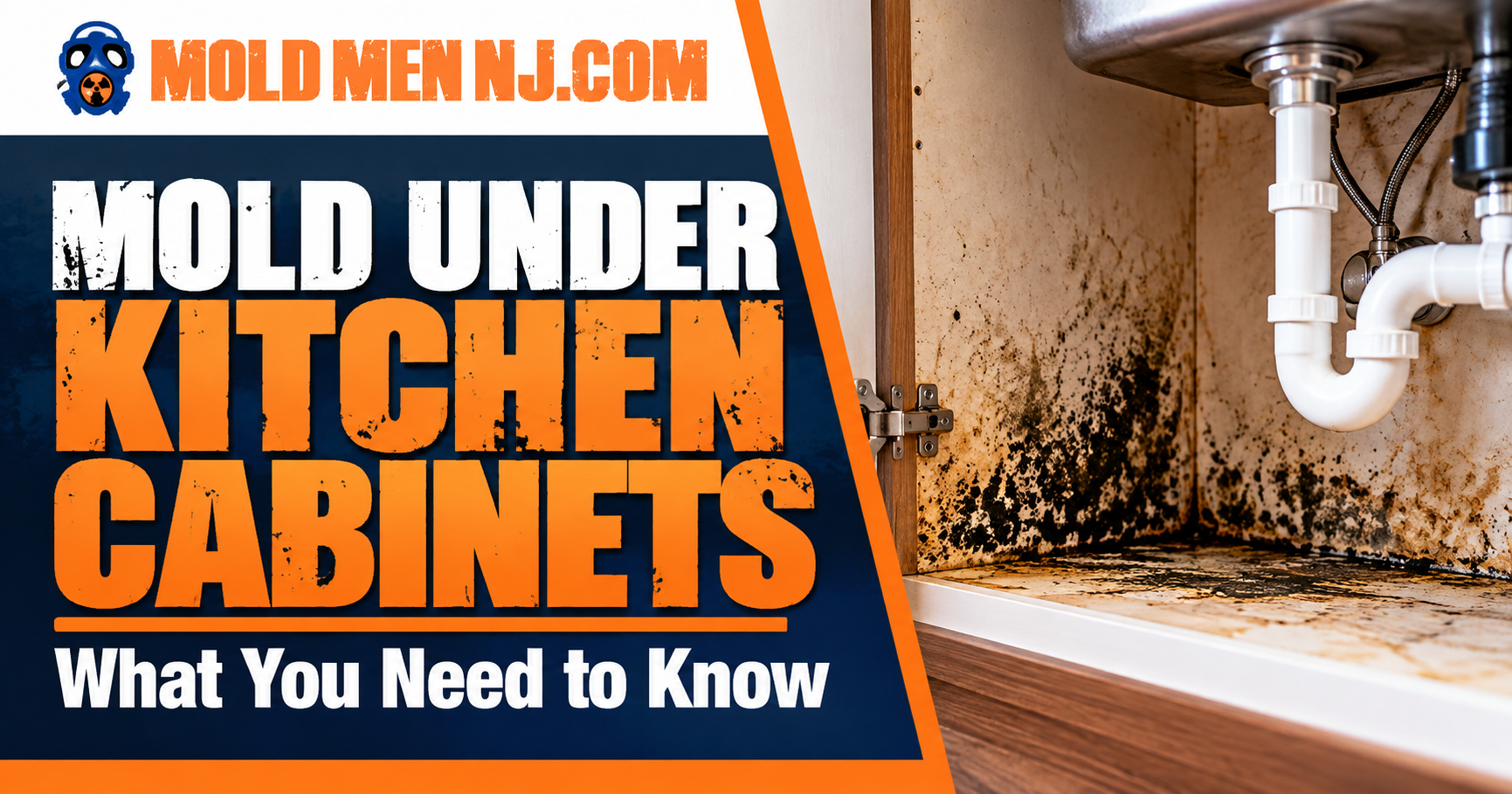
Mold Under Kitchen Cabinets: What You Need to Know
Kitchen cabinets can hide moisture problems for months before homeowners realize something is wrong. A slow plumbing leak, dishwasher connection problem, or recurring condensation may leave cabinet materials damp without producing an obvious puddle.
Over time, these conditions can allow mold to develop beneath kitchen cabinets, behind kickboards, or inside enclosed cabinet spaces.
For New Jersey homeowners, mold under kitchen cabinets can be particularly frustrating because the visible surface may look perfectly normal while water damage develops in concealed areas.
Understanding the warning signs, common causes, and appropriate next steps can help homeowners address the problem before additional materials become affected.
What Causes Mold Under Kitchen Cabinets?
Mold develops when moisture remains on materials that can support its growth. Kitchens contain multiple water sources, making cabinets near sinks, dishwashers, and refrigerators especially vulnerable to leaks.
Common causes include:
1. Leaking Sink Plumbing
Small leaks around drainpipes, supply lines, shutoff valves, and sink connections may allow water to collect inside or beneath cabinets.
Because these leaks can occur only when the sink is running, homeowners may overlook the problem for weeks or months.
2. Dishwasher Leaks
Dishwashers can leak around supply hoses, drainage connections, door seals, and internal components.
Water may travel underneath nearby cabinets or flooring, creating hidden moisture damage beyond the appliance itself.
3. Refrigerator Water Line Leaks
Refrigerators with water dispensers or ice makers often have supply lines that run behind the appliance.
A small connection leak can introduce moisture into nearby flooring, baseboards, or cabinetry.
4. Repeated Spills and Standing Water
Water from cooking, cleaning, or washing dishes may collect beneath cabinet edges.
If spills repeatedly reach unfinished wood, particleboard, or other absorbent materials, moisture damage may develop.
5. Condensation and Elevated Humidity
Poor ventilation, cold plumbing surfaces, and humid indoor conditions may contribute to condensation inside enclosed cabinets.
Persistent condensation can create conditions that support mold growth, even without a major plumbing leak.
Signs of Mold Under Kitchen Cabinets
Mold beneath cabinets isn’t always immediately visible. Homeowners may first notice changes in the smell, appearance, or condition of nearby materials.
Warning signs include:
-
Musty odors: A persistent earthy smell near kitchen cabinets may indicate excess moisture or concealed microbial growth.
-
Swollen cabinet bases: Particleboard and other engineered wood products may expand or deteriorate after absorbing water.
-
Discoloration: Dark, greenish, or irregular staining may appear on cabinet surfaces, walls, or trim.
-
Peeling finishes: Moisture can cause laminate, paint, or cabinet finishes to separate.
-
Soft or deteriorating materials: Cabinet floors, kickboards, or nearby drywall may weaken after prolonged exposure to water.
-
Recurring dampness: Moisture repeatedly appearing beneath the sink or around appliances may indicate an unresolved leak.
These signs do not automatically confirm mold. However, they provide good reasons to investigate the affected area.
Can Mold Grow Behind Cabinets Without Being Visible?
Yes. Mold may develop on concealed surfaces where damp conditions persist.
Kitchen cabinets often contain enclosed areas with limited visibility, including spaces behind kickboards, beneath cabinet bases, and between cabinetry and adjacent walls.
If a leak allows water to reach these locations, moisture may remain unnoticed.
Possible affected materials include:
-
Cabinet backing and base panels
-
Particleboard or plywood
-
Drywall behind cabinets
-
Insulation inside adjacent walls
-
Wooden framing
-
Flooring and subfloor materials
-
Baseboards and trim
A musty odor or damaged cabinet base may indicate the need to evaluate surrounding materials rather than focusing only on the visible surface.
For additional information on concealed building-material damage, see our guide on mold behind drywall.
What Should You Do If You Find Mold Under Your Kitchen Sink?
If you notice suspected mold or persistent moisture beneath the kitchen sink, start by identifying whether water is still entering the area.
Check for active leaks. Look for dripping pipes, wet connections, standing water, or moisture accumulating when the sink operates.
Stop the water source. If a plumbing connection is leaking, stop using the affected fixture if necessary and arrange appropriate repairs.
Avoid disturbing widespread growth. Scraping or aggressively scrubbing moldy porous materials may spread contamination.
Check nearby materials. Look for staining, swelling, or soft spots around the cabinet base, flooring, and adjacent walls.
Evaluate the extent of damage. If moisture has reached concealed spaces or absorbent building materials, professional evaluation may be appropriate.
If the area involves sewage, contaminated water, electrical hazards, or extensive water damage, additional safety precautions and qualified professional assistance may be necessary.
Can You Clean Mold Off Kitchen Cabinets?
Whether a cabinet can be cleaned depends on the type of material, the extent of contamination, and how deeply moisture has penetrated.
Nonporous Surfaces
Accessible, hard, nonporous surfaces may sometimes be cleaned and thoroughly dried using appropriate methods.
The underlying moisture source must also be corrected.
Solid Wood Cabinets
Some solid wood components may be suitable for professional cleaning and drying, depending on their condition and the extent of the damage.
An assessment can help determine whether restoration is practical.
Particleboard and Other Porous Materials
Particleboard, fiberboard, and other absorbent cabinet components can swell, deteriorate, or retain moisture internally.
If materials are extensively damaged or cannot be effectively cleaned and dried, removal and replacement may be necessary.
Not every case requires complete cabinet replacement.
The appropriate approach depends on the materials involved and actual conditions.
Do Kitchen Cabinets Need to Be Removed for Mold Remediation?
Not necessarily.
Some mold problems may be limited to accessible surfaces or a small area affected by an isolated leak.
Other situations may involve moisture beneath fixed cabinet bases or behind panels that cannot be inspected without additional access.
A professional assessment may evaluate:
-
The moisture source and whether it has been corrected.
-
The extent of staining or suspected mold growth.
-
Moisture levels in cabinet materials and surrounding surfaces.
-
The condition of nearby drywall, insulation, flooring, and framing.
-
Whether materials can be cleaned and dried adequately.
-
Whether selective demolition or removal of damaged materials is necessary.
For example, a severely deteriorated cabinet base may require removal, while adjacent cabinets that remain dry and unaffected may be suitable to retain.
The goal is to address the affected materials appropriately without assuming extensive demolition is required.
Can a Small Kitchen Leak Cause a Larger Mold Problem?
Yes. The amount of visible water doesn’t always reflect how far moisture has traveled.
A slow leak beneath a sink can continue for an extended period without producing noticeable flooding.
Water may spread beneath cabinets, enter flooring seams, or reach adjacent drywall.
If these materials remain damp, the affected area can become larger than the original leak location.
The U.S. Environmental Protection Agency recommends drying water-damaged materials within approximately 24–48 hours when possible to help prevent mold growth.
However, this is a prevention guideline, not a guarantee that mold will or will not develop within a particular time.
For more information, review the EPA’s guide to mold and moisture in the home.
Can Mold Under Kitchen Cabinets Spread to the Floor?
Moisture originating beneath cabinets can affect surrounding flooring and subfloor materials.
For example, water from a dishwasher leak may travel beneath adjacent cabinets and penetrate flooring seams or exposed edges.
Depending on the flooring materials, this can contribute to:
-
Swelling or buckling
-
Discoloration around cabinet bases
-
Damage to flooring underlayment
-
Moisture trapped beneath flooring surfaces
-
Deterioration of wooden subfloors
-
Mold growth on damp, susceptible materials
Homeowners experiencing these issues may also benefit from our article on mold under flooring in New Jersey.
When water affects multiple materials, evaluating the full extent of moisture damage becomes particularly important.
How Can New Jersey Homeowners Prevent Mold Under Kitchen Cabinets?
Routine inspection and moisture control can help reduce the risk of hidden damage.
Inspect Plumbing Connections
Periodically look beneath sinks for moisture, staining, corrosion, or signs of dripping around plumbing connections.
Check Around Appliances
Watch for unusual dampness near dishwashers, refrigerators, and other appliances connected to water lines.
Repair Leaks Promptly
Even small leaks should be addressed before moisture spreads to surrounding materials.
Dry Spills Thoroughly
Clean up standing water and allow affected areas to dry. Check beneath cabinet edges when water has traveled beyond the visible floor.
Control Indoor Humidity
Maintain appropriate indoor humidity and address recurring condensation.
Pay Attention to Musty Odors
Persistent odors around cabinetry may indicate a moisture problem that deserves investigation, even when no visible growth is present.
When Should You Contact a Mold Remediation Professional?
Professional evaluation may be appropriate when moisture damage extends beyond a small accessible surface or when suspected mold repeatedly returns.
Consider additional assistance if:
-
Cabinet materials are swollen, soft, or deteriorating.
-
Musty odors persist after the leak has been repaired.
-
Moisture may have entered walls or subflooring.
-
Visible growth extends across multiple surfaces.
-
Water damage has remained unnoticed for an extended period.
-
Hidden areas cannot be safely evaluated.
-
Affected materials may require containment, specialized cleaning, or removal.
Mold Men NJ provides professional mold remediation for residential and commercial properties throughout New Jersey.
Proper assessment helps determine which materials are affected and whether cleaning, drying, or selective removal is necessary.
Frequently Asked Questions
What causes mold under kitchen cabinets?
Common causes include leaking sink connections, dishwasher leaks, refrigerator water lines, recurring spills, and condensation. Mold can develop when susceptible materials remain damp.
Can mold grow under kitchen cabinets without a visible leak?
Yes. Slow plumbing leaks, previous water damage, or persistent condensation can leave concealed cabinet materials damp without an obvious puddle.
Can mold under a kitchen sink be cleaned?
Some small areas on accessible, nonporous surfaces may be suitable for cleaning. Porous or heavily damaged cabinet materials may require professional assessment and possible removal.
Do I need to replace kitchen cabinets if mold is found?
Not always. The decision depends on the materials involved, the extent of damage, and whether affected components can be adequately cleaned and dried.
Can a dishwasher leak cause mold behind kitchen cabinets?
Yes. Water from dishwasher connections or other components can travel behind or beneath nearby cabinets, potentially affecting concealed building materials.
How do I know if mold has spread beneath my kitchen floor?
Musty odors, swelling, staining, buckling, and recurring moisture can indicate hidden damage. Further evaluation may be needed to determine whether mold or moisture is present below the flooring.
Final Thoughts
Mold under kitchen cabinets often begins with a moisture problem that goes unnoticed.
Small plumbing leaks, appliance connections, condensation, and repeated spills can affect cabinet bases, adjacent walls, and nearby flooring.
The most important steps are identifying the moisture source, evaluating the affected materials, and determining the appropriate cleanup or remediation approach.
Some problems may require limited cleaning and drying. Others may involve damaged cabinetry, drywall, insulation, or flooring that needs to be removed if it cannot be effectively restored.
Addressing these issues promptly can help prevent additional property damage and recurring moisture problems.
About Mold Men NJ
Mold Men NJ is a veteran-owned, licensed, certified, and IICRC-certified property restoration company serving homeowners and businesses throughout New Jersey.
The company specializes in mold remediation and mold removal, along with water damage restoration, fire damage restoration, and related property restoration services.
Mold Men NJ provides 24/7 emergency services for urgent property damage situations.
Contact Mold Men NJ
Mold Men NJ
36 Banta Rd
Kinnelon, NJ 07405
Phone: (201) 279-6078
Email: moldmennewjersey@gmail.com
Website: https://moldmennj.com/
Concerned about suspected mold or hidden moisture damage beneath your kitchen cabinets?
Contact Mold Men NJ to discuss your property restoration needs.
Disclaimer: This article is provided for general informational purposes and does not replace professional property assessment or medical advice. The extent of mold or moisture damage and appropriate remediation methods depend on site-specific conditions. Individuals with health-related concerns should consult a qualified healthcare professional.
