Water Mitigation in NJ
Emergency Water Mitigation in NJ
Leaks, flooding, and standing water can quickly damage flooring, walls, and building materials. Mold Men NJ provides 24/7 emergency water mitigation and extraction for residential and commercial properties throughout New Jersey, with a primary focus on North Jersey.
Act Quickly
Stop Water Damage From Spreading
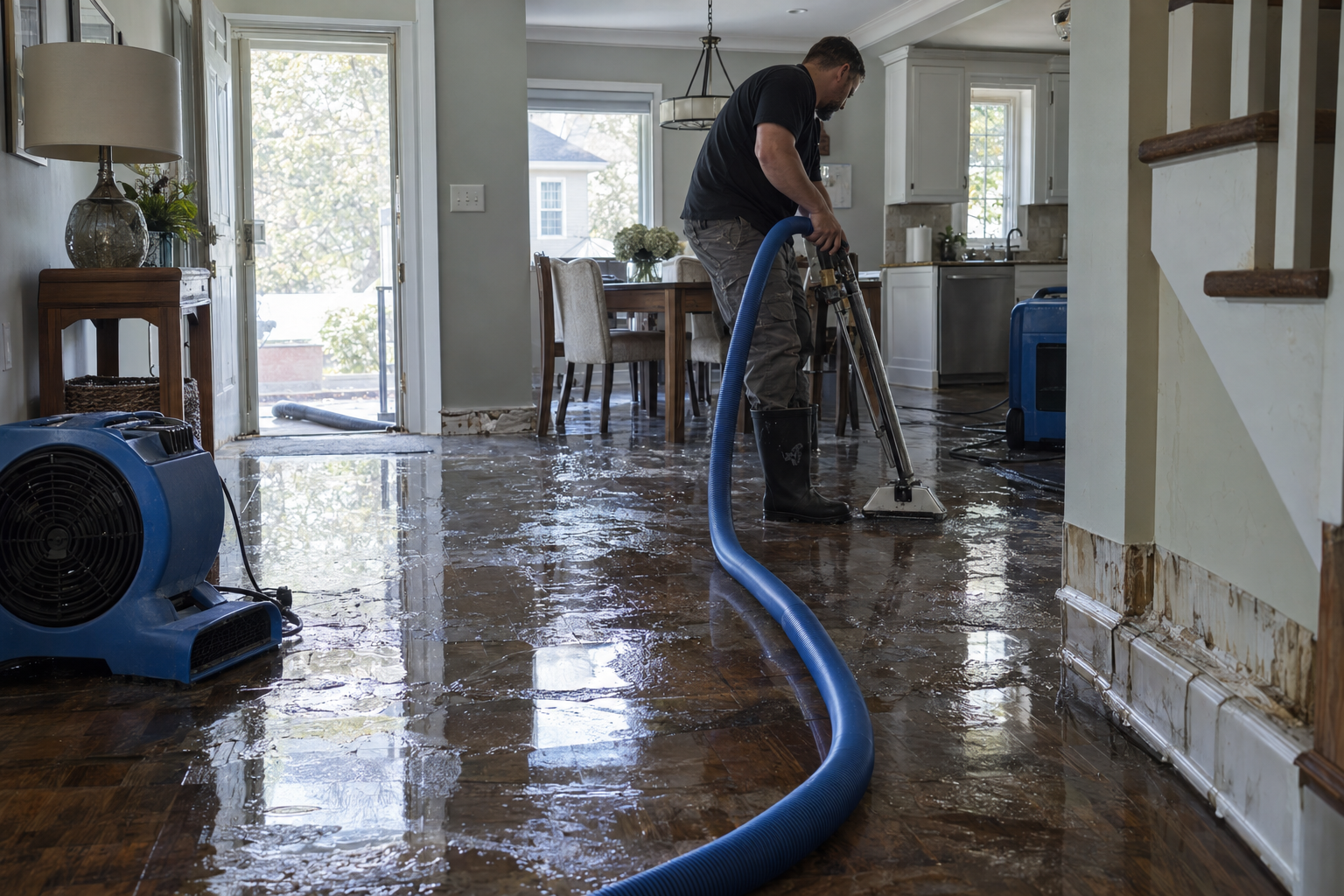
Water mitigation focuses on reducing immediate damage after a water event. The goal is to remove standing water, limit moisture movement, begin drying, and help protect materials that may still be salvageable. Fast action matters because water can travel under floors, behind walls, into insulation, and through lower levels of the property.
Common Causes
When to Call for Water Mitigation
Water mitigation is appropriate whenever unwanted water enters the building or building materials stay wet after a leak.
Flooding or Standing Water
Standing water from heavy rain, sump pump issues, appliance failures, or plumbing leaks should be addressed quickly to reduce damage to flooring, walls, and stored belongings.
Plumbing and Appliance Leaks
Water from burst pipes, supply lines, water heaters, washing machines, dishwashers, or refrigerators can spread fast and may continue to affect hidden areas after the visible water is gone.
Storm or Roof Leak Damage
Roof leaks, storm damage, and water entering around windows or doors can wet ceilings, walls, insulation, and framing. Mitigation helps identify and control affected areas before drying begins.
Our Process
How Water Mitigation Works
Every water event is different, but the mitigation process is designed to move quickly, reduce moisture, and help prevent additional damage.
We evaluate the affected areas to determine where water has traveled, which materials are wet, and what conditions may require immediate attention. The assessment may include visible damage, moisture readings, and areas where water could be trapped behind walls, beneath flooring, or inside other building materials.
When possible, the source of the water intrusion is identified so additional damage can be limited. This may involve plumbing leaks, appliance failures, roof leaks, foundation seepage, or other sources that need to be repaired or controlled before the property can be properly dried.onditions may require immediate attention. The assessment may include visible damage, moisture readings, and areas where water could be trapped behind walls, beneath flooring, or inside other building materials.
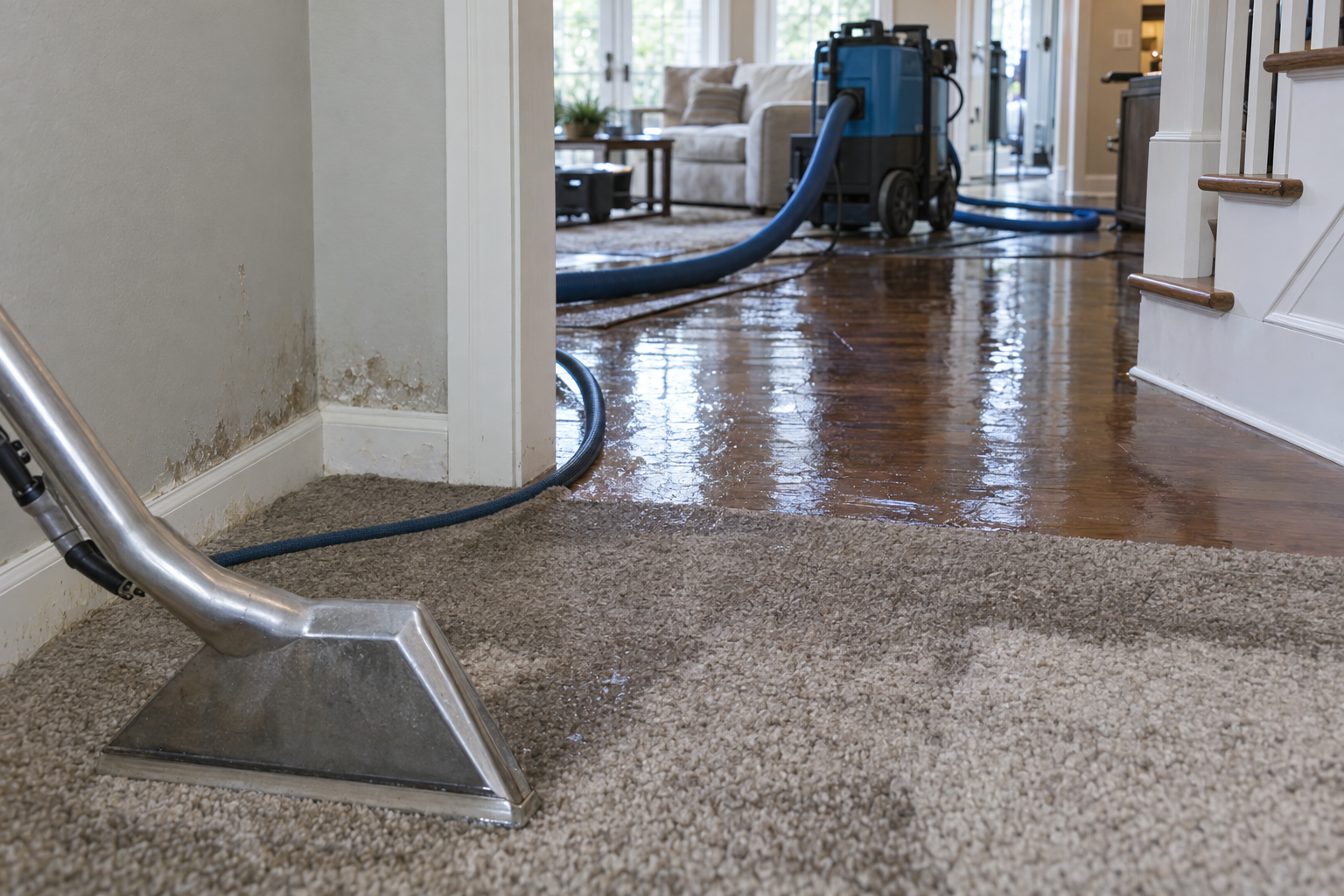
Standing or pooled water is removed as quickly as practical using professional water-extraction methods. Prompt removal helps reduce the amount of time floors, walls, furnishings, and structural materials remain exposed to moisture.
Wet or damaged Sheetrock, insulation, flooring, and other materials are evaluated and removed when necessary. Removing affected materials can provide access to wall cavities, framing, subfloors, and other concealed areas that need to be properly dried.
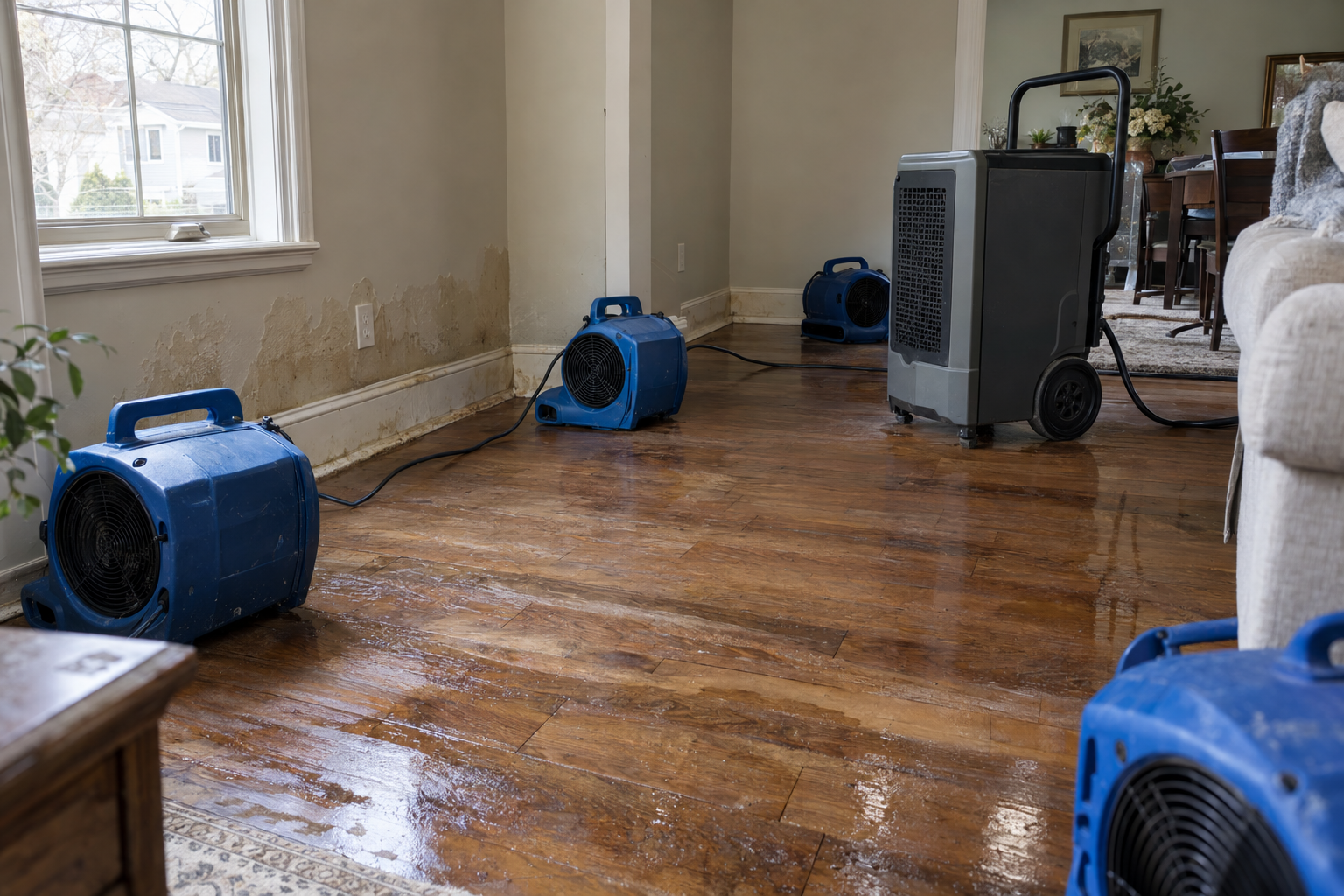
Air movement and dehumidification may be used to help dry affected building materials and reduce excess moisture in the indoor environment. Drying needs depend on the amount of water involved, the materials affected, and how deeply moisture has traveled.
Moisture conditions are reviewed as the drying process progresses, and affected areas are checked to determine whether additional drying, material removal, cleaning, or restoration work may be needed. We also explain the next steps based on the conditions found at the property.
Hidden Moisture
Drying Matters After Extraction
Removing visible water is only part of the job. Moisture can remain in subfloors, drywall, trim, cabinets, insulation, and framing. If materials stay damp, the property may face odors, staining, swelling, deterioration, and possible mold growth. Mold may begin developing within 24 to 48 hours after water damage when wet materials are not dried properly.
Why Choose Mold Men NJ
Licensed, Certified, Veteran-Owned Help
Mold Men NJ is a veteran-owned, licensed, certified, IICRC-certified restoration company serving homeowners, landlords, property managers, businesses, and commercial property owners across New Jersey. The team provides 24/7 emergency service for urgent water, fire, and property damage situations. If you plan to file an insurance claim, coverage can vary by policy and cause of loss, so property owners should verify details directly with their insurer.
Frequently Asked Questions About Water Mitigation
Water mitigation should generally begin as soon as practical after the source of the water has been stopped or controlled. Prompt action can help limit how far moisture spreads and reduce additional damage to flooring, drywall, insulation, furnishings, and structural materials.
Water mitigation should generally begin as soon as practical after the source of the water has been stopped or controlled. Prompt action can help limit how far moisture spreads and reduce additional damage to flooring, drywall, insulation, furnishings, and structural materials.
Water mitigation focuses on controlling the immediate damage, removing water, and drying affected areas. Water damage restoration may include the later repair or replacement of damaged materials needed to return the property to its pre-loss condition.
Yes. Water can travel behind drywall, beneath flooring, into insulation, and through other concealed areas. Moisture assessment can help identify affected materials that may not appear wet from the surface.
Excess moisture can create conditions that support mold growth if affected materials remain damp. Removing water, drying the structure, and addressing the source of the moisture are important parts of reducing the likelihood of additional mold problems.
Request Emergency Service
Need Water Mitigation in NJ?
For urgent water extraction, drying, and mitigation, contact Mold Men NJ. Call (201) 279-6078 or email moldmennewjersey@gmail.com to request service for your New Jersey home or business.
Mold Men NJ
(201) 279-6078
moldmennewjersey@gmail.com
36 Banta Rd, Kinnelon NJ, 07405