Emergency Water Extraction NJ
Emergency Water Extraction in New Jersey
Standing water from leaks, flooding, burst pipes, appliance failures, or other water emergencies can quickly damage floors, walls, furnishings, and structural materials. Mold Men NJ provides 24/7 emergency water extraction throughout New Jersey to remove standing water and begin the drying and mitigation process as quickly as possible.
Common Water Losses
Cleanup for Leaks, Flooding, and Pipe Breaks
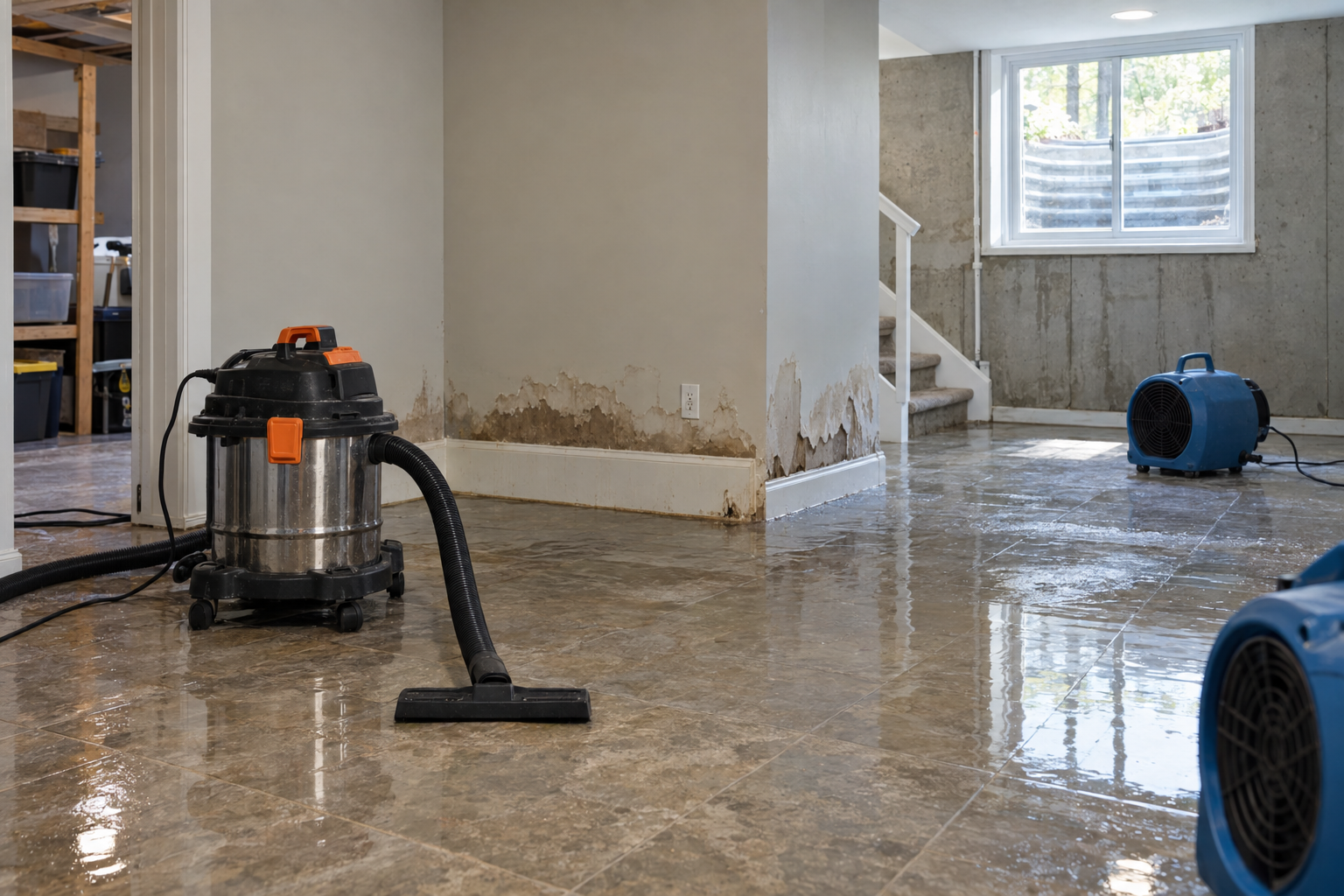
Basement Flooding
Basements are vulnerable to heavy rain, seepage, sump pump problems, plumbing failures, and appliance leaks. Professional cleanup helps remove water, dry wet materials, and address moisture before damage spreads further.
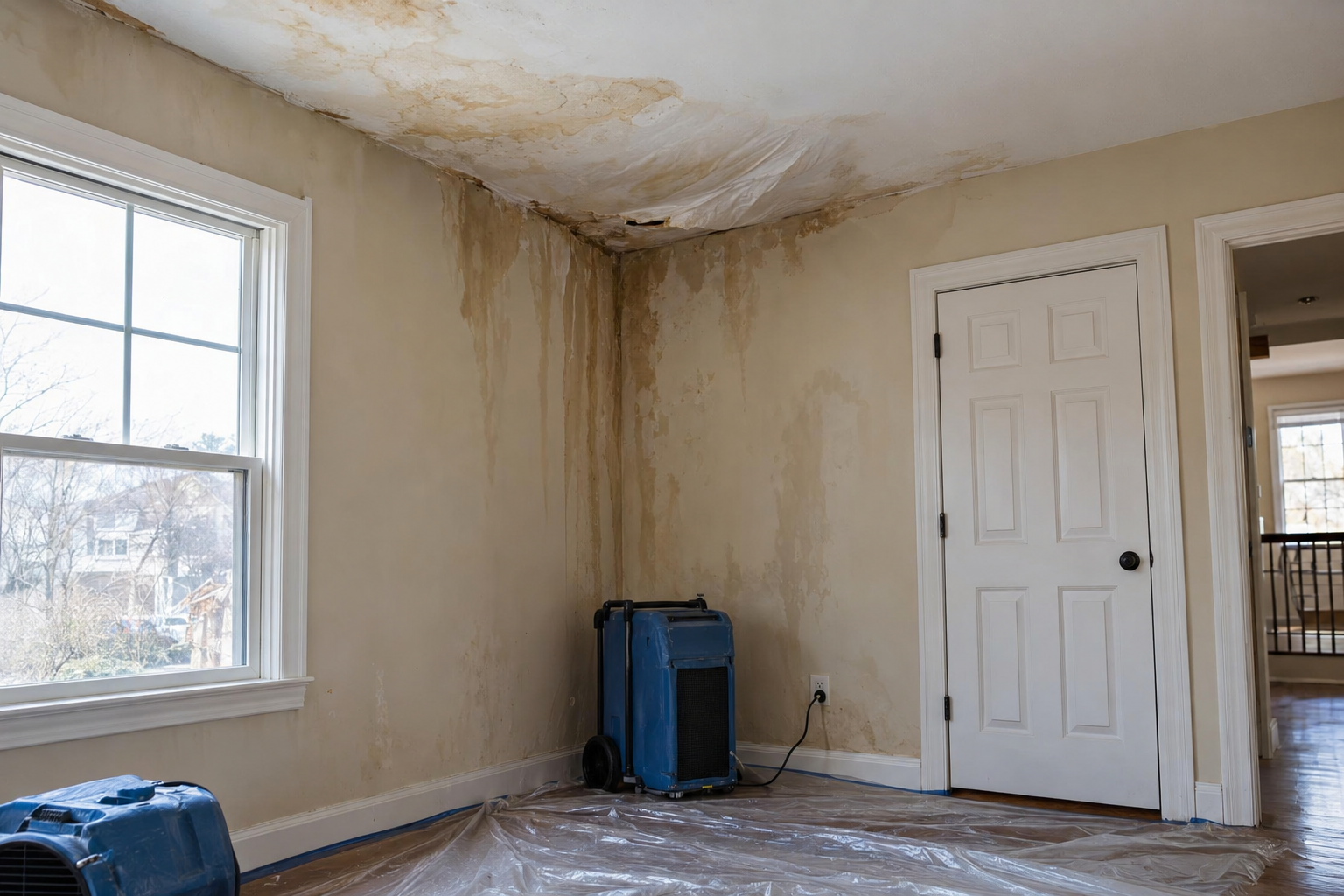
Roof Leak Water Damage
Roof leaks may show up as ceiling stains, wet insulation, bubbling paint, or damp walls. Cleanup may involve moisture assessment, drying, and removal of damaged materials where needed.
Burst Pipe Damage
A broken supply line, frozen pipe, or plumbing failure can release water into finished areas quickly. Prompt extraction and drying help protect flooring, drywall, trim, and nearby contents.
Warning Signs
Signs You May Need Professional Drying
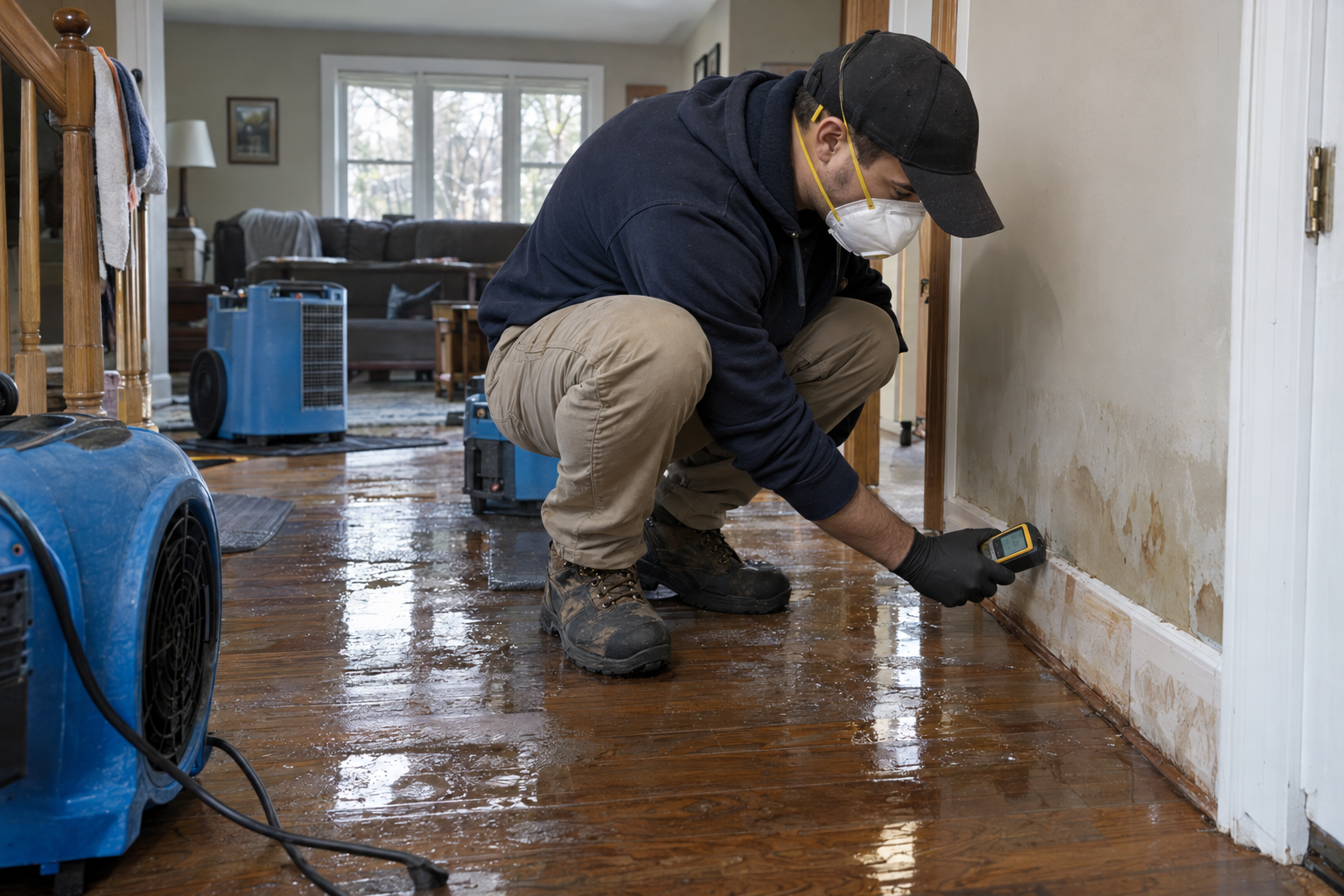
Call for service if you notice standing water, damp carpet, warped flooring, swollen baseboards, ceiling stains, peeling paint, musty odors, or moisture that keeps returning. Even after surfaces look dry, trapped moisture may remain inside building materials.
Our Process
How Water Damage Cleanup Works
We evaluate the affected areas to determine how much water is present, where it has traveled, which materials are wet, and whether there are any immediate safety or access concerns. We also look for the likely source of the water, such as a burst pipe, appliance failure, plumbing leak, roof leak, or flooding event.
Standing and pooled water is removed using professional water-extraction methods where accessible and appropriate. Prompt extraction helps reduce the amount of time flooring, drywall, furnishings, and structural materials remain exposed to excess moisture.
Wet or damaged Sheetrock, insulation, flooring, and other materials are evaluated and removed when necessary. This can provide access to wall cavities, framing, subfloors, and other concealed areas that need to be properly dried.
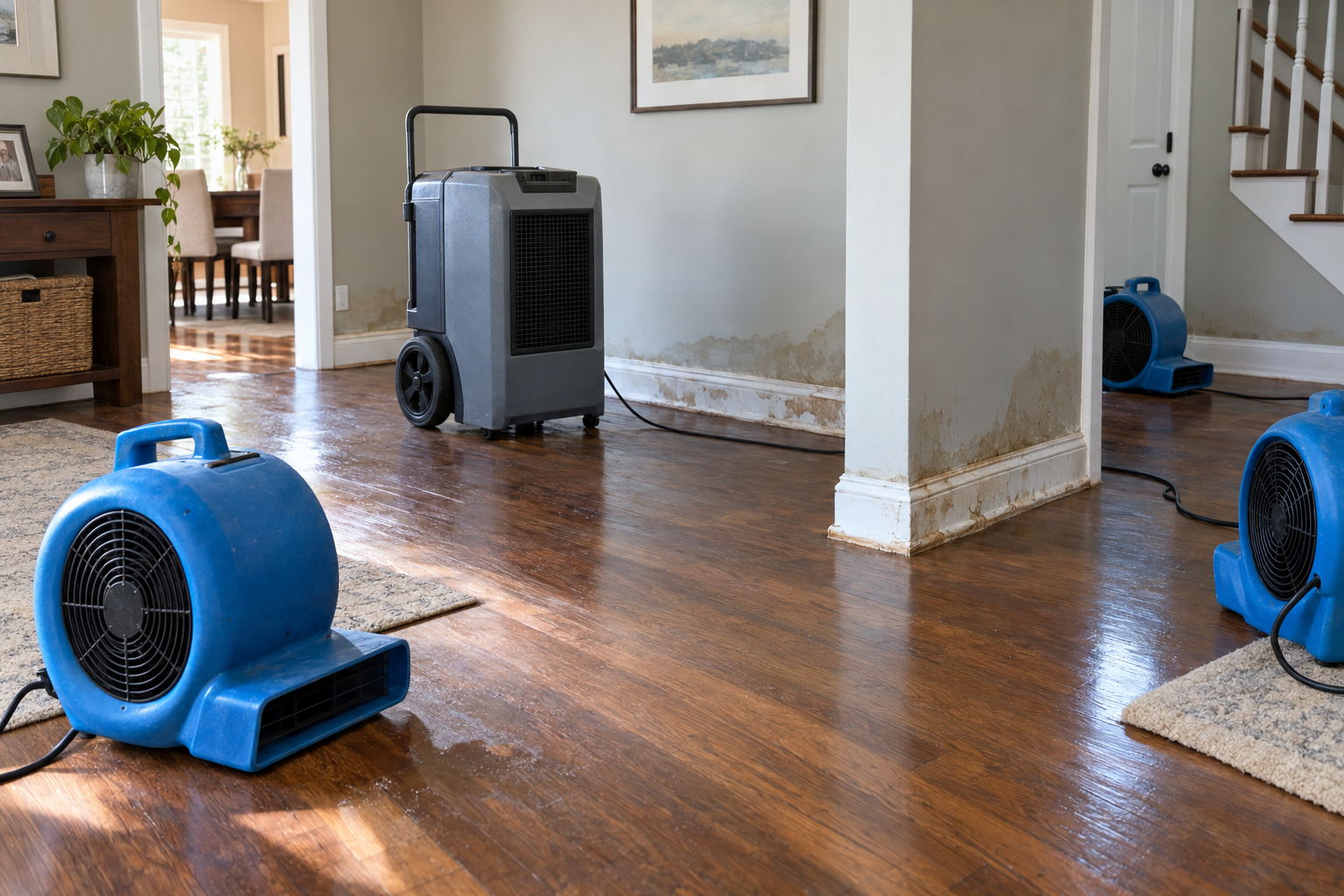
After water extraction, air movement and dehumidification may be used to help reduce moisture in structural materials and indoor air. Drying needs depend on the amount of water involved, the materials affected, and whether moisture has traveled beneath flooring, behind walls, or into other concealed areas.
Once the immediate extraction and drying work is complete, we review the affected areas and explain any remaining cleanup, repair, or restoration steps that may be needed. If the water event has also created concerns involving mold, sewage, damaged drywall, flooring, or other materials, those issues can be addressed as part of the next phase of restoration.
Related Service
Mitigation Helps Limit the Damage
Water mitigation focuses on immediate steps that help reduce the impact of a water loss, including extraction, moisture control, drying, and stabilization. If the situation is active or urgent, Mold Men NJ offers 24/7 emergency service.
Mold Concerns
Water Damage Can Lead to Mold Growth
Wet materials that are not dried properly may create conditions where mold can develop. Mold may be associated with musty odors, staining, and indoor air quality concerns for some individuals. Mold Men NJ provides mold remediation and removal services when mold is found or suspected after water damage.
Frequently Asked Questions About Emergency Water Extraction
Emergency water extraction is the process of removing standing or pooled water after flooding, burst pipes, plumbing failures, appliance leaks, or other sudden water events. Prompt extraction can help reduce additional damage to flooring, drywall, furnishings, and structural materials.
Standing water should generally be removed as soon as practical once the source has been stopped or controlled. The longer water remains in contact with building materials, the greater the chance of additional moisture damage and more extensive drying needs.
Water extraction may be needed after burst pipes, appliance failures, plumbing leaks, basement flooding, roof leaks, sump pump failures, or other events that leave standing water inside a property.
After standing water is removed, affected materials and moisture conditions are evaluated to determine what drying, dehumidification, cleaning, or material removal may still be needed. Moisture can remain behind walls, beneath flooring, or inside other concealed areas even after visible water is gone.
Removing standing water and beginning the drying process promptly can help reduce the amount of time materials remain wet. Moisture control and proper drying are important because prolonged dampness can create conditions that support mold growth.
Insurance Note
Get Water Damage Cleanup in New Jersey
For basement flooding, roof leak water damage, burst pipe cleanup, or other urgent water damage restoration needs, contact Mold Men NJ. Coverage for water damage varies by policy and cause of loss, so property owners should verify coverage with their insurer.
Mold Men NJ
(201) 279-6078
moldmennewjersey@gmail.com
36 Banta Rd, Kinnelon NJ, 07405