Structural Drying & Dehumidification NJ
Structural Drying & Dehumidification in New Jersey
Leaks, flooding, firefighting water, sewage backups, and hidden moisture can leave building materials wet long after the visible water is gone. Mold Men NJ provides structural drying and dehumidification for residential and commercial properties throughout New Jersey, with a primary focus on North Jersey.
Warning signs
Signs Your Property May Need Drying
Drying needs are not always obvious. Even when surfaces look dry, moisture may remain inside porous materials or enclosed spaces.
Stained walls or ceilings
Water stains, bubbling paint, soft drywall, or sagging ceiling areas can indicate moisture behind the surface.
Wet or warped floors
Flooring that cups, buckles, separates, or feels soft may have moisture trapped underneath.
Musty odors
A damp or musty odor may point to hidden moisture, poor drying, or conditions that should be investigated.
Moisture in hidden areas
Basements, crawl spaces, attics, utility rooms, and wall cavities may stay wet after roof leaks, burst pipes, or storm water intrusion.
Our process
How Structural Drying Works
Mold Men NJ uses a practical drying process focused on reducing moisture, protecting affected materials when possible, and helping prepare the property for cleanup or repair.
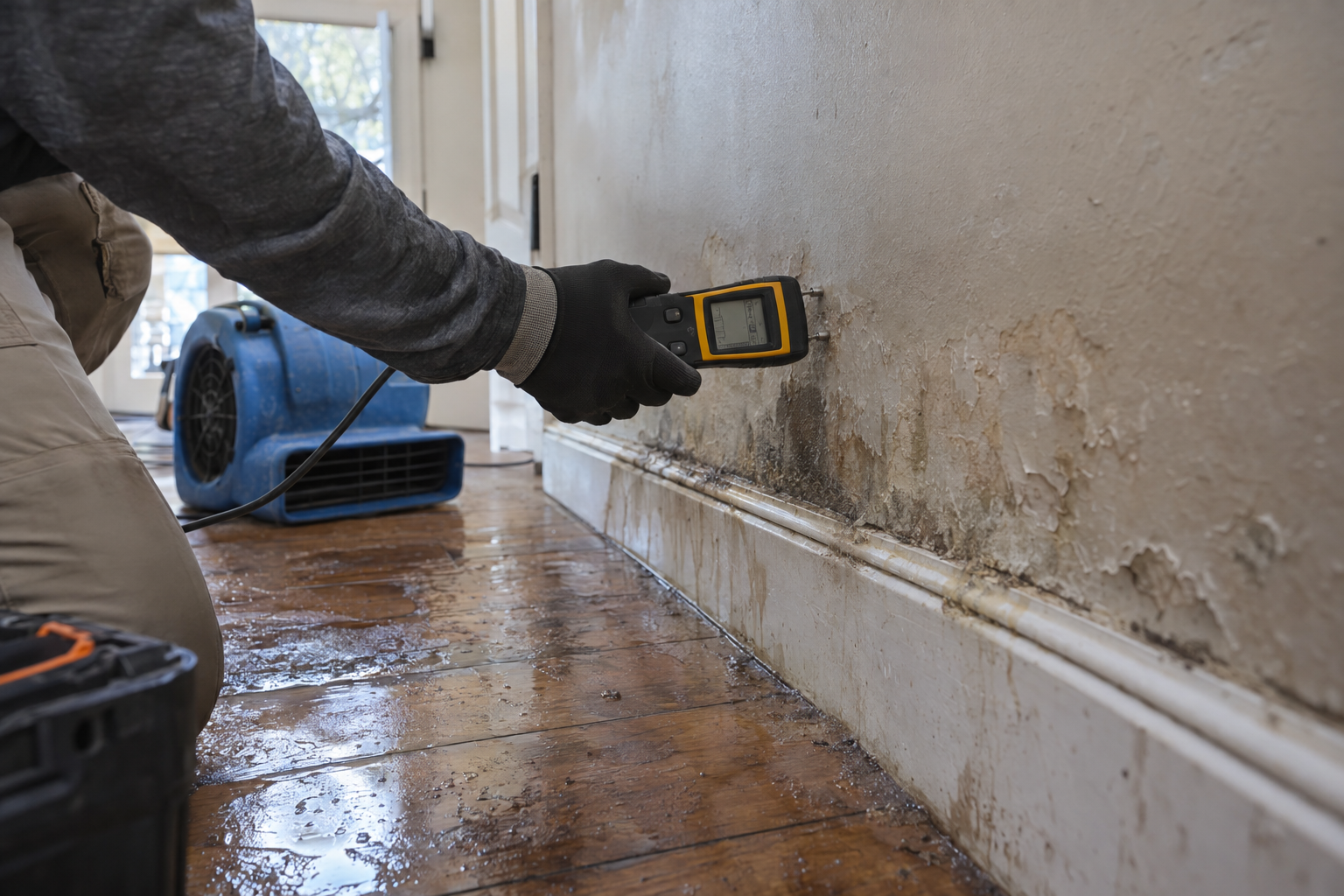
We inspect the areas affected by water or excess moisture to determine which building materials are wet, where moisture may have traveled, and whether drying or material removal may be needed. This can include walls, floors, ceilings, framing, insulation, and other structural components.
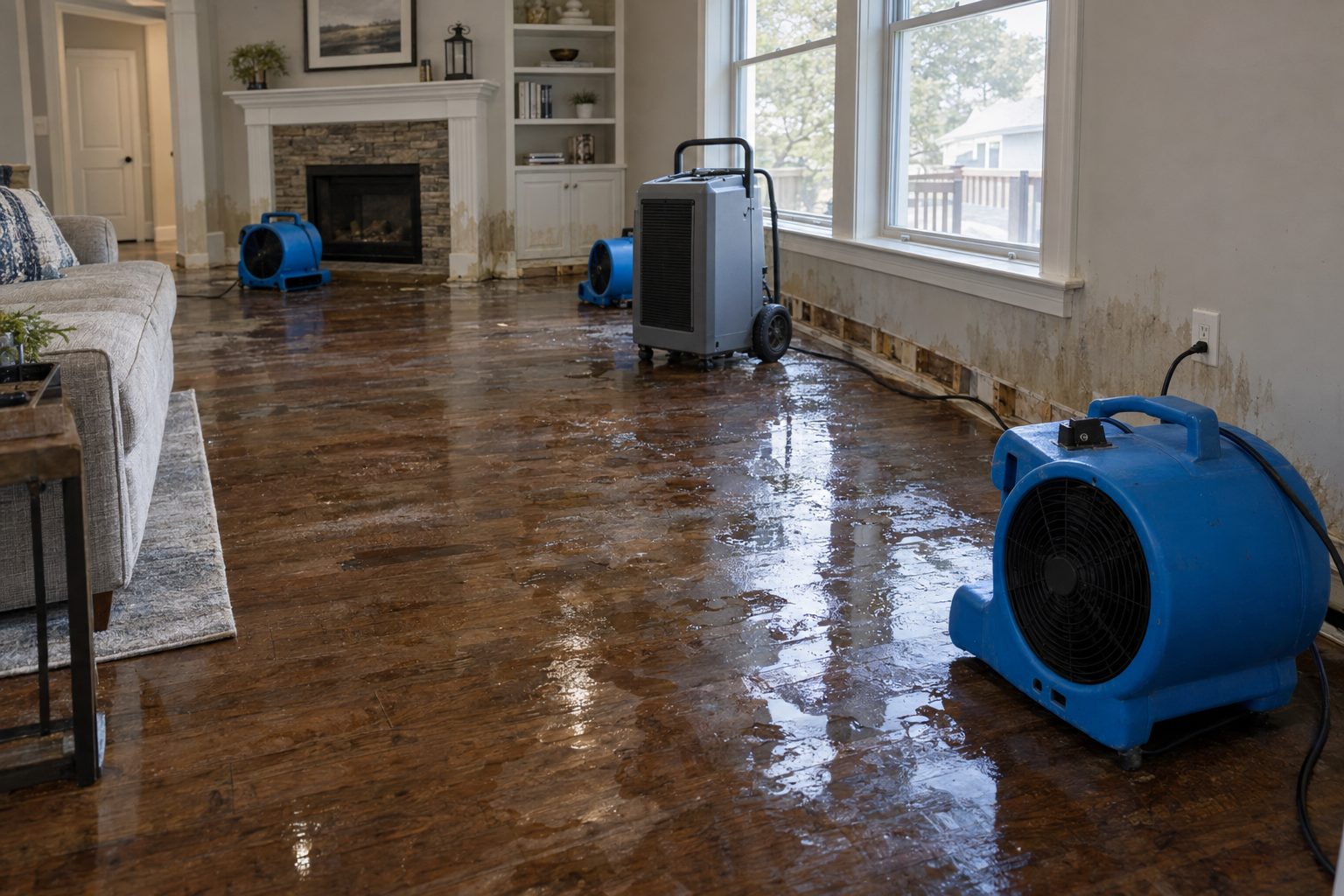
Standing water and excess moisture are addressed first where accessible and appropriate, especially after leaks, flooding, plumbing failures, or other water damage events. Removing excess water helps create better conditions for the structural drying process to begin.
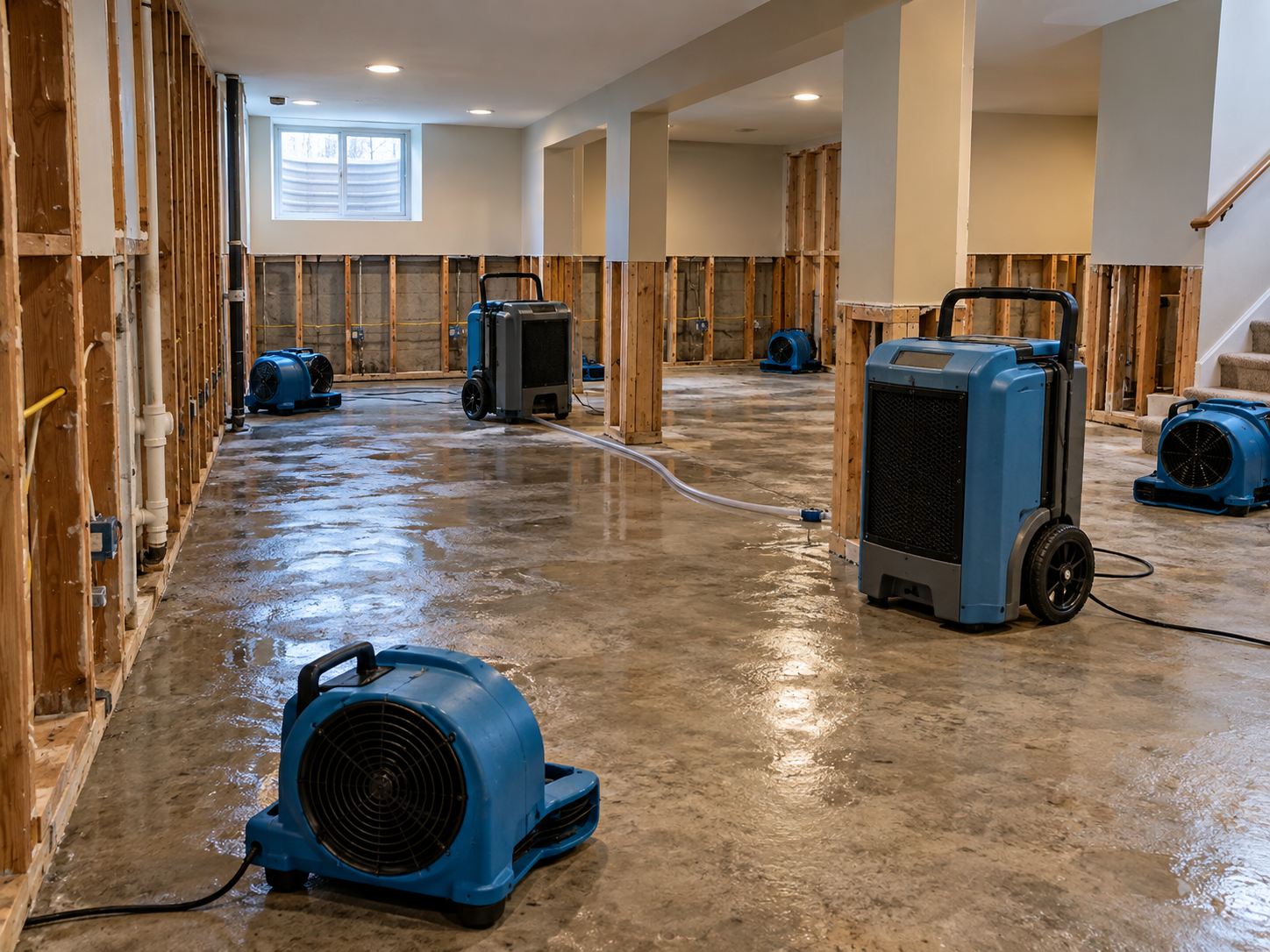
Affected Sheetrock and other damaged materials are removed as needed to expose wet framing, wall cavities, and concealed areas before structural drying begins.
Air movement and dehumidification may be used to help reduce moisture in affected building materials and the surrounding indoor air. The drying approach depends on the materials involved, how much moisture is present, and whether water has reached concealed or enclosed areas.
Moisture conditions are checked during the drying process so the equipment setup and drying approach can be adjusted as needed. Monitoring helps determine whether affected materials are continuing to dry and whether additional attention may be required in specific areas.
Once drying has progressed, we review the affected areas and explain any remaining cleanup, repair, or restoration steps that may be appropriate. Structural drying may also be coordinated with water damage cleanup, mold remediation, odor control, or fire and water restoration needs when those services are relevant.onitoring helps determine whether affected materials are continuing to dry and whether additional attention may be required in specific areas.
Common drying situations
After Leaks, Flooding, Firefighting Water, and More
Structural drying may be needed after roof leaks, burst pipes, basement water intrusion, appliance leaks, sewage backups, or water used during firefighting. The right drying plan depends on the source of water, affected materials, and how long the area has been wet.
Residential and commercial
Licensed, Certified, IICRC-Certified Restoration Help
Mold Men NJ is a veteran-owned, licensed, certified, IICRC-certified company serving homeowners, landlords, property managers, and business owners across New Jersey. The team provides 24/7 emergency service for urgent water, fire, and property damage situations.
Frequently Asked Questions About Structural Drying & Dehumidification
Structural drying is the process of reducing excess moisture in building materials after leaks, flooding, plumbing failures, or other water damage. It may involve air movement, dehumidification, moisture monitoring, and removal of materials that cannot be properly dried.
Dehumidification helps reduce excess moisture in the air and supports the drying of walls, floors, framing, and other affected materials. Controlling indoor humidity can also help reduce the amount of time materials remain damp after a water loss.
Yes. Moisture can remain behind walls, beneath flooring, inside insulation, and within other concealed building materials even after standing water has been removed. Moisture assessment and monitoring can help identify areas that still need drying.
Drying time varies depending on the amount of water involved, the materials affected, how long they were wet, indoor conditions, and whether moisture has reached concealed areas. Some properties may dry relatively quickly, while others require a longer drying process.
Reducing excess moisture and drying affected materials promptly can help limit the conditions that support mold growth. The source of the water should also be corrected so the materials do not continue to become wet.
24/7 emergency service
Need Structural Drying in NJ?
If your property has been affected by water, do not rely on surface drying alone. Contact Mold Men NJ to request structural drying and dehumidification service for your New Jersey home or business.