Mold After Basement Flooding in New Jersey: What Homeowners Should Do Next
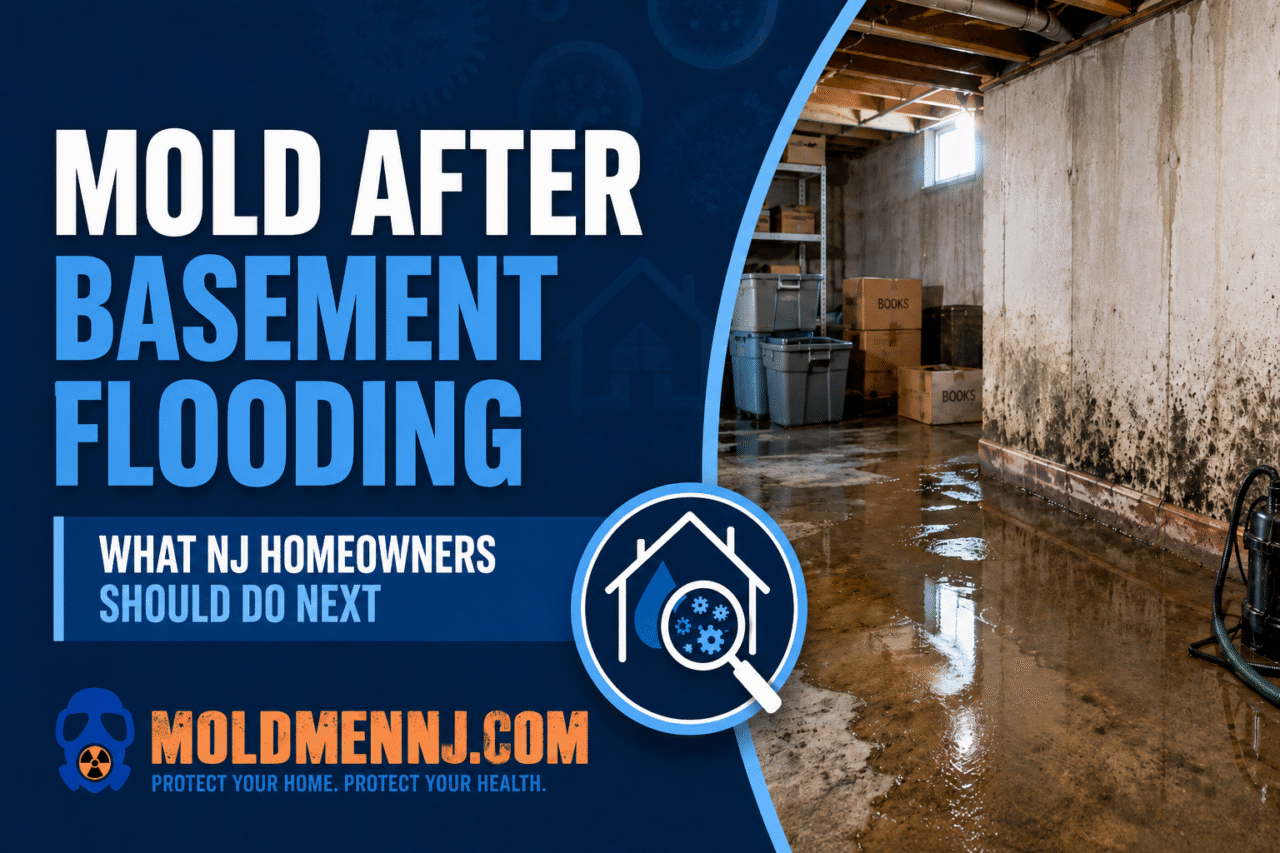
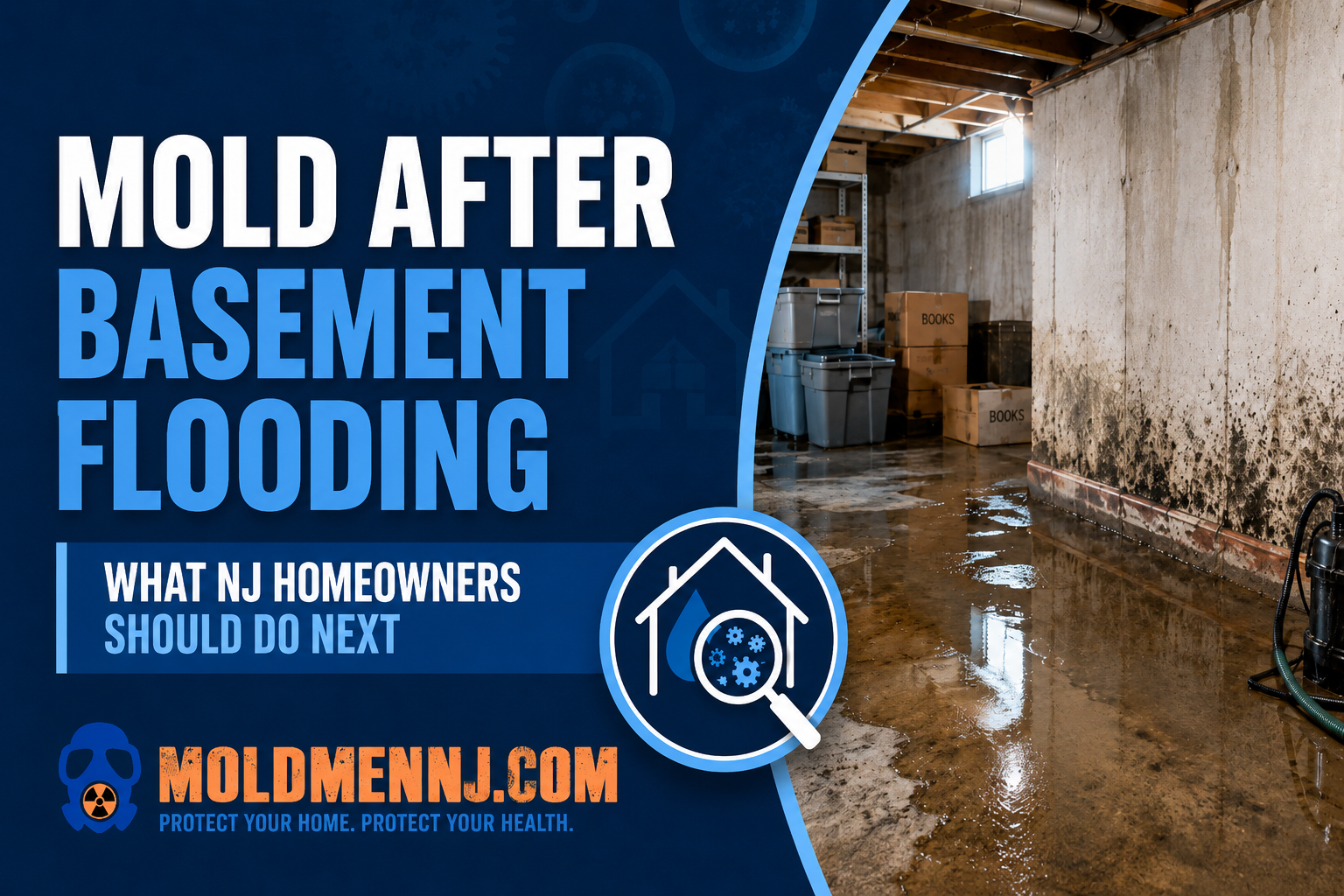
A flooded basement is stressful enough on its own. After the water is removed, many homeowners ask the next important question: will mold grow after basement flooding?
The honest answer is yes, mold can begin developing quickly when moisture remains in drywall, flooring, wood framing, insulation, furniture, or stored items. Even when standing water is gone, damp materials may continue holding moisture out of sight.
For New Jersey homeowners, basement flooding is a common concern due to heavy rain, snow melt, sump pump failures, foundation seepage, and aging drainage systems. Knowing what to do next can help reduce damage and lower the risk of mold growth.
Mold Men NJ helps residential and commercial property owners throughout New Jersey handle mold concerns, water damage issues, and safer property restoration after flooding events.
Can Mold Grow After Basement Flooding?
Yes. Mold needs moisture, a surface to grow on, and time. Many basement materials provide ideal conditions after flooding, including:
- Drywall
- Wood studs
- Carpet and padding
- Ceiling tiles
- Cardboard boxes
- Furniture
- Insulation
- Stored fabrics
According to United States Environmental Protection Agency guidance, prompt drying and moisture control are key parts of preventing indoor mold growth after water damage.
How Fast Can Mold Start After Water Damage?
In some situations, mold may begin developing within a relatively short period when materials stay wet. The longer moisture remains, the higher the chance of growth spreading.
That is why acting quickly after basement flooding matters.
Common Causes of Basement Flooding in New Jersey
Homes across New Jersey often experience basement water issues from:
Heavy Rainstorms
Sudden storms may overwhelm drainage systems or seep through foundations.
Sump Pump Failure
Power loss or equipment failure can allow water to rise quickly.
Snow Melt
Late winter and early spring thawing may add water pressure around foundations.
Plumbing Leaks
Burst pipes, water heater failures, or washing machine lines can flood lower levels.
Poor Exterior Drainage
Improper grading or clogged gutters may direct water toward the home.
Signs Mold May Be Developing After Basement Flooding
Even after cleanup, hidden moisture can remain. Watch for these warning signs:
- Musty or earthy odors
- Damp drywall
- Warped flooring
- Peeling paint
- Water stains
- Visible spotting on walls or trim
- Increased humidity
- Allergy-like symptoms indoors
If you notice these issues, further drying or inspection may be needed.
What To Do Immediately After Basement Flooding
1. Remove Water Safely
Standing water should be removed as soon as conditions are safe.
2. Dry the Area Quickly
Use fans, dehumidifiers, and ventilation to reduce moisture.
3. Remove Wet Items
Carpet padding, boxes, fabrics, and damaged materials may hold moisture.
4. Check Hidden Areas
Water often gets behind finished basement walls or under flooring.
5. Document Damage
Take photos for insurance or repair planning.
6. Schedule Professional Help if Needed
If flooding was significant or materials remain wet, professional evaluation may be the smartest next step.
Why Finished Basements Need Extra Attention
Finished basements are common in North Jersey homes, but they can hide water damage behind:
- Drywall
- Insulation
- Baseboards
- Laminate flooring
- Carpeting
- Built-in cabinets
A basement may look dry on the surface while moisture remains trapped behind walls.
Can You Clean It Yourself?
Small clean water incidents may be manageable in limited situations if dried immediately. However, larger floods, sewage backups, repeated seepage, or widespread wet materials often require professional handling. The CDC also provides guidance on how to clean up mold safely after leaks or flooding.
Hidden moisture is one of the biggest reasons homeowners underestimate basement flood damage.
Why Mold Keeps Returning After Flooding
Many homeowners think the problem is solved once visible water is gone. Mold may still return when:
- Materials were not fully dried
- Moisture remains behind walls
- Humidity stays high
- Leaks continue
- Damaged materials were not removed
- Ventilation is poor
Fixing the source is just as important as cleanup.
Why Local New Jersey Experience Matters
Homes in Kinnelon, Wayne, Parsippany, Montville, Butler, Pequannock, and surrounding North Jersey communities often deal with:
- Older foundations
- Seasonal water pressure
- Storm runoff
- Basement seepage
- Humidity changes
- Sump pump dependence
A local company familiar with regional flooding patterns can often identify common causes faster.
What Professional Basement Flood Response May Include
Depending on the situation, professional help may include:
- Water extraction
- Moisture readings
- Drying and dehumidification
- Removal of damaged materials
- Mold inspection
- Mold remediation if needed
- Prevention recommendations
How To Help Prevent Future Basement Mold
Maintain Gutters and Downspouts
Direct water away from the home.
Test the Sump Pump
Check function before storm season.
Use a Dehumidifier
Helpful in damp basements.
Address Cracks or Seepage Early
Small issues can grow over time.
Inspect After Storms
Early action often prevents larger repairs.
FAQ
Will mold grow after basement flooding?
Yes, mold can grow when wet materials stay damp after flooding.
How fast can mold start in a flooded basement?
Growth may begin relatively quickly when moisture remains untreated.
Is basement carpet salvageable after flooding?
It depends on water source, saturation level, and drying speed.
Should drywall be removed after basement flooding?
If drywall stayed wet or damage is significant, professional evaluation is recommended.
Can a basement smell musty after flooding even if it looks dry?
Yes. Hidden moisture behind walls or under flooring can cause odors.
Key Takeaway
Mold after basement flooding is a common and preventable problem when moisture is addressed quickly. Removing water fast, drying materials thoroughly, and checking hidden areas can help protect your home and reduce larger restoration costs later.
About Mold Men NJ
Mold Men NJ is a veteran-owned, licensed, certified, and insured company serving residential and commercial customers throughout New Jersey. Services include mold remediation, water damage restoration, fire restoration, and lead remediation.
Contact Mold Men NJ
Mold Men NJ
36 Banta Rd, Kinnelon NJ 07405
(201) 729-3220
moldmennewjersey@gmail.com
Disclaimer: Mold may affect people differently. This article is informational only. For health concerns, contact a healthcare provider. For mold concerns, contact Mold Men NJ.
