Mold Found During a Home Inspection in New Jersey: What Happens Next?
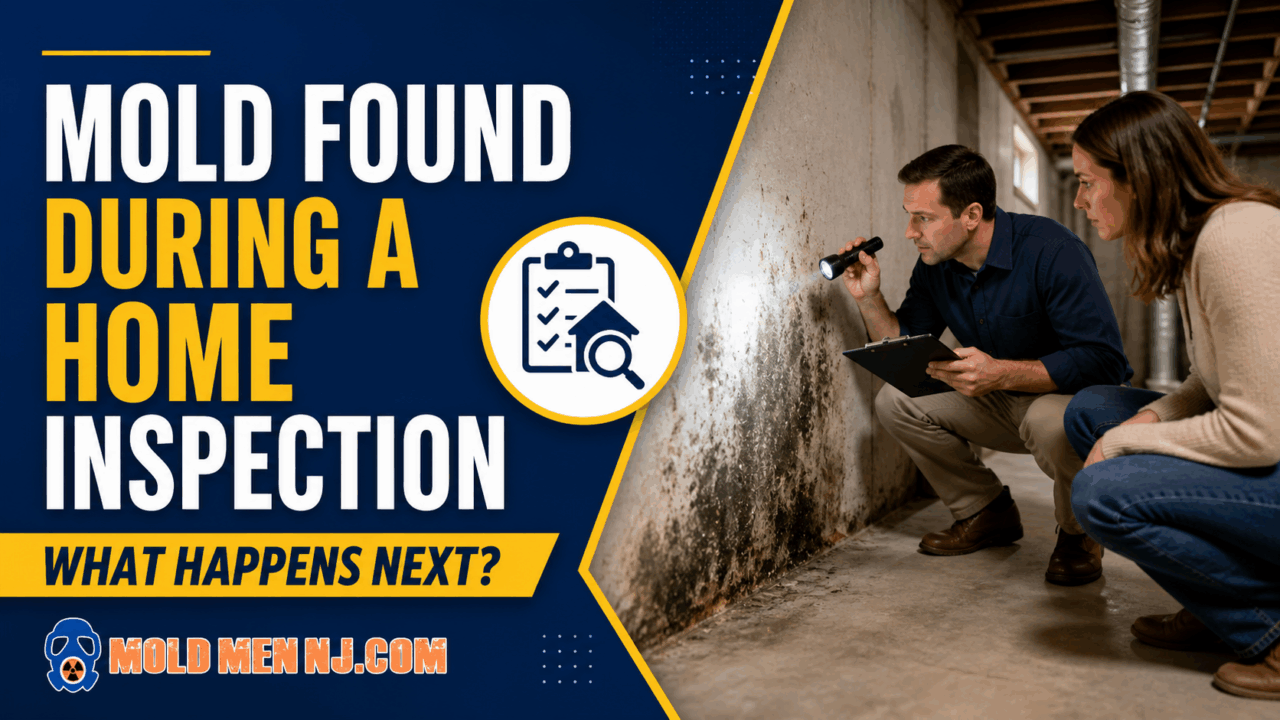
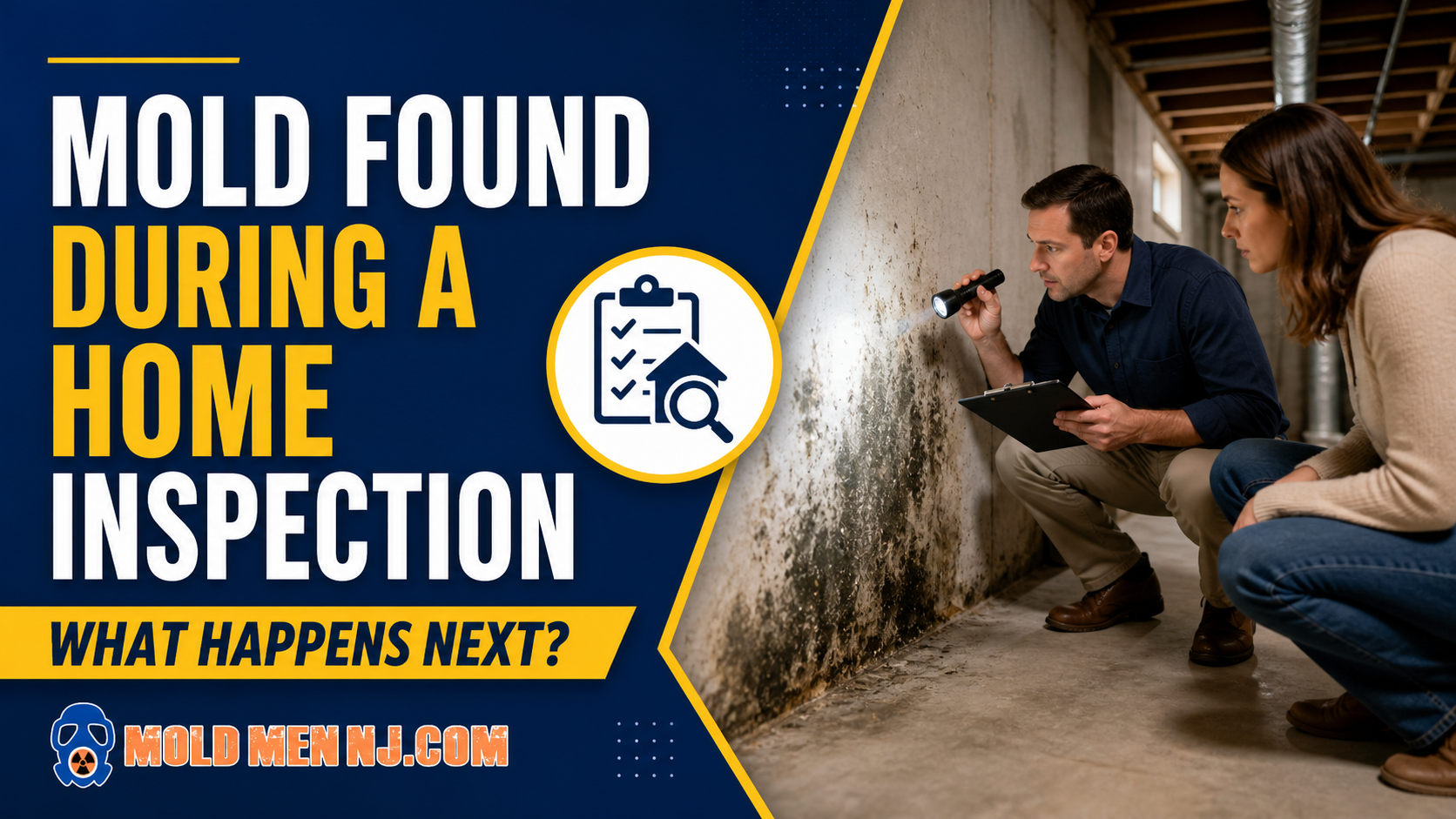
Buying or selling a home can be stressful, especially when unexpected issues appear during the inspection process. One common concern is hearing that mold was found during a home inspection. Many people immediately ask: what happens next?
The good news is that a mold finding does not automatically mean the sale is over. In many cases, it becomes a repair, negotiation, or further inspection issue that can often be resolved with the right next steps.
For New Jersey buyers, sellers, real estate agents, and homeowners, understanding how mold findings are usually handled can help reduce stress and keep the transaction moving.
Mold Men NJ helps residential and commercial property owners throughout New Jersey identify mold issues, locate moisture sources, and restore safer indoor environments.
What Does It Mean If Mold Is Found During a Home Inspection?
A home inspector may note visible mold-like growth, moisture staining, musty odors, or conditions that could support mold.
This does not always mean there is a severe problem. Sometimes the issue is minor and localized. In other cases, it may indicate hidden moisture damage that needs further evaluation.
Common examples include:
- Bathroom ceiling mold
- Basement wall growth
- Attic mold from poor ventilation
- Mold near windows from condensation
- Water-damaged drywall
- Musty crawlspaces
- Past leak areas
First Step: Stay Calm
Mold findings are common in real estate transactions, especially in homes with:
- Older roofs
- Past leaks
- Basements
- Poor ventilation
- Humidity issues
- Vacant periods
Many mold issues can be addressed without ending the transaction.
What Usually Happens Next During Home Inspection?
1. Request More Information
Buyers often ask:
- How large is the area?
- Is the moisture source active?
- Was there previous water damage?
- Is the issue visible only, or potentially hidden?
2. Further Evaluation May Be Recommended
Sometimes a mold specialist or remediation company is asked to inspect the issue more closely.
This may help determine:
- Cause of moisture
- Scope of affected materials
- Whether remediation is needed
- Approximate repair needs
3. Repair Negotiations Begin
Depending on the inspection period and contract terms, parties may negotiate:
- Seller repairs before closing
- Credit to buyer at closing
- Price adjustment
- Further professional review
4. Moisture Source Should Be Fixed
Whether or not mold is present, the moisture cause matters most.
Examples:
- Roof leak
- Plumbing leak
- Poor attic ventilation
- Basement seepage
- Bathroom humidity
Common Mold Areas During NJ Home Inspections
Basements
Very common in New Jersey due to moisture and below-grade conditions.
Attics
Ventilation and roof issues are common inspection findings.
Bathrooms
Humidity and recurring moisture often create visible growth.
Crawlspaces
Damp lower areas may concern inspectors or buyers.
Around Windows
Condensation or leakage may create mold-like staining.
Why This Happens Often in New Jersey
Homes across New Jersey frequently deal with:
- Older housing stock
- Humid summers
- Cold winter condensation
- Basement moisture
- Storm-related roof wear
- Seasonal water intrusion
Because of this, mold findings during inspections are not unusual.
Should Buyers Walk Away?
Not necessarily.
Many mold issues are manageable when:
- The source is identified
- Scope is limited
- Repairs are practical
- Remediation is completed properly
Buyers often decide based on total condition, repair costs, and negotiation outcomes.
Should Sellers Address Mold Before Listing?
Often yes.
Pre-listing correction may help:
- Reduce surprises
- Improve buyer confidence
- Prevent deal delays
- Support smoother negotiations
Why Professional Documentation Helps
When mold issues are corrected professionally, documentation can help show buyers the issue was addressed responsibly.
This may include:
- Inspection findings
- Scope of work
- Moisture corrections
- Remediation records
Why Local Experience Matters in New Jersey
Homes in Kinnelon, Wayne, Parsippany, Montville, Butler, Pequannock, and surrounding North Jersey communities often face recurring moisture patterns tied to basements, attics, and seasonal weather.
A local company familiar with these issues can often identify practical solutions quickly.
FAQ
Is mold found during a home inspection common?
Yes. Mold or moisture-related findings are fairly common, especially in older homes or damp areas.
Will mold kill a real estate deal?
Not always. Many transactions continue after repairs, credits, or remediation.
Should buyers get another inspection?
Sometimes further professional evaluation is helpful.
Should sellers fix mold before listing?
Often yes, especially if visible or tied to moisture damage.
What matters most, mold or moisture?
Usually the moisture source matters most because it causes recurring problems.
Key Takeaway
Mold found during a home inspection in New Jersey does not automatically end a sale. In many cases, it becomes a repair or negotiation issue that can be resolved when the moisture source is identified and the problem is addressed properly.
About Mold Men NJ
Mold Men NJ is a veteran-owned, licensed, certified, and insured company serving residential and commercial customers throughout New Jersey. Services include mold remediation, water damage restoration, fire restoration, and lead remediation.
Contact Mold Men NJ
Mold Men NJ
36 Banta Rd, Kinnelon NJ 07405
(201) 729-3220
moldmennewjersey@gmail.com
https://moldmennj.com/
Disclaimer: Mold may affect people differently. This article is informational only. For health concerns, contact a healthcare provider. For mold concerns, contact Mold Men NJ.
