Can Mold Affect Asthma? What New Jersey Families Should Know
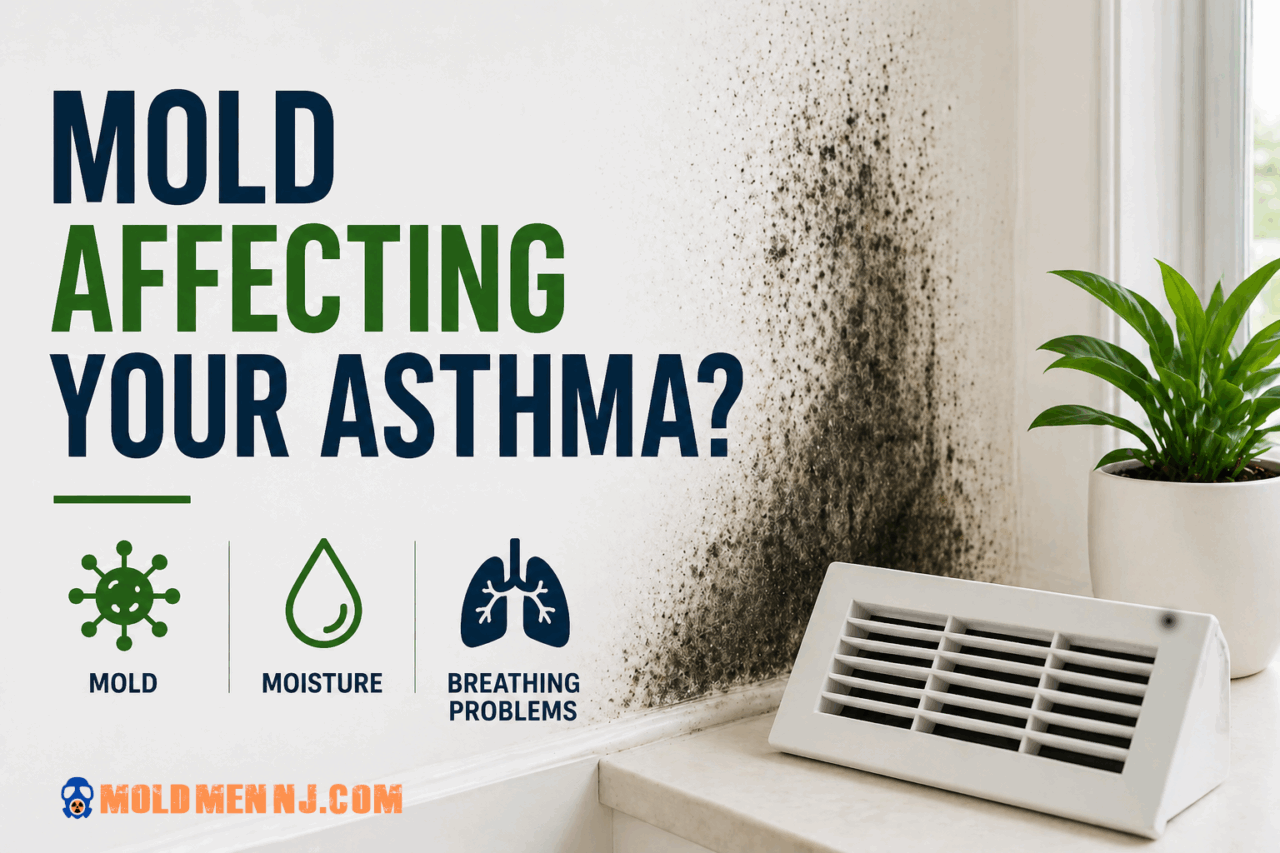
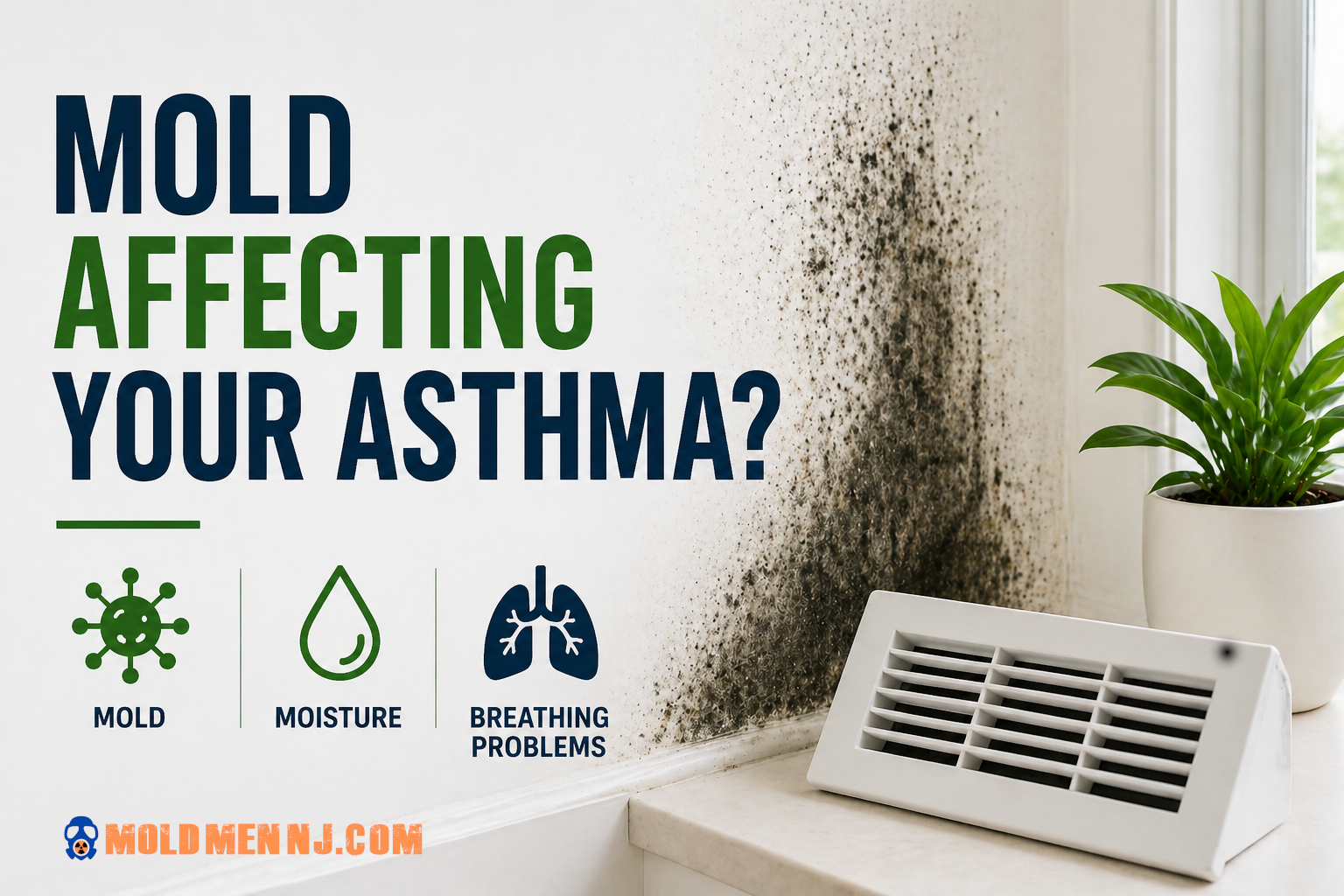
Many families work hard to create a clean and comfortable home environment. When moisture problems, musty odors, or visible mold appear, one common concern is whether indoor conditions may impact breathing issues. A question many homeowners considering mold remediation services ask is: can mold affect asthma?
For some individuals, indoor mold and damp environments may contribute to irritation or may be a concern for people who already manage asthma. Because every person responds differently, families often choose to address mold problems quickly when respiratory conditions are involved.
For New Jersey households dealing with basement dampness, bathroom humidity, leaks, or storm-related moisture issues, understanding the connection between moisture and indoor air quality can be helpful.
Mold Men NJ helps residential and commercial property owners throughout New Jersey identify mold issues, locate moisture sources, and restore safer indoor environments.
Can Mold Affect Asthma?
For some people, mold exposure may be associated with irritation or discomfort, especially in damp indoor environments. Individuals who already have asthma may be more cautious about indoor air quality and moisture issues.
According to Centers for Disease Control and Prevention and United States Environmental Protection Agency guidance, indoor mold and moisture problems should be addressed promptly.
Because asthma can vary greatly by person, medical concerns should always be discussed with a licensed healthcare provider.
Why Families Take This Seriously
Asthma is common in many households. When a child or adult has breathing sensitivities, homeowners often prefer to reduce potential indoor irritants wherever possible.
Common concerns include:
- Musty odors in bedrooms
- Damp basements connected to living spaces
- Bathroom mold growth
- Hidden leaks behind walls
- Moisture after flooding
- Poor ventilation
Signs the Home Environment May Need Attention
Symptoms can have many causes, but some families decide to inspect the home when they notice:
- Breathing discomfort that feels worse indoors
- Nighttime coughing at home
- Congestion indoors
- Musty smells
- Visible mold spots
- Symptoms improving away from the house
These signs do not automatically mean mold is the cause, but they may justify checking the property for moisture issues.
Common Household Areas Where Mold Can Develop
Mold is often hidden from view. Common problem areas include:
- Basements
- Bathrooms
- Attics
- Crawlspaces
- Behind drywall
- Under flooring
- Around windows
- Laundry rooms
Why New Jersey Homes Can Be Vulnerable
Homes throughout New Jersey often deal with conditions that may support mold growth.
Humid Summers
Warm humid air can raise indoor moisture levels.
Cold Winters
Closed homes and condensation can trap moisture.
Basement Dampness
Below-grade spaces are common moisture zones.
Storm Damage
Roof leaks, sump pump failures, or flooding can create hidden water issues.
Older Homes
Some homes may have aging roofs, plumbing, or ventilation systems.
What Homeowners Can Do
1. Address Leaks Quickly
Fix plumbing, roof, and appliance leaks promptly.
2. Reduce Indoor Humidity
Use dehumidifiers in damp areas and run bathroom exhaust fans.
3. Improve Ventilation
Increase airflow where moisture builds up.
4. Watch for Musty Odors
Persistent smells may indicate hidden moisture or mold.
5. Inspect After Water Damage
Flooding or leaks should be dried and checked quickly.
6. Schedule a Professional Mold Remediation Evaluation
If mold is visible or moisture concerns continue, professional mold removal help may be wise.
Why Professional Help Matters
Many mold issues remain hidden behind walls or under flooring. A professional inspection may help identify:
- Water intrusion sources
- Hidden mold conditions
- Ventilation concerns
- Damp building materials
- Areas needing remediation
Why Local Experience Matters in New Jersey
Homes in Kinnelon, Wayne, Parsippany, Montville, Butler, Pequannock, and surrounding North Jersey communities often deal with:
- Basement humidity
- Seasonal condensation
- Roof wear
- Storm moisture damage
- Older plumbing systems
A local company familiar with these conditions can often identify likely causes faster.
FAQ
Can mold affect asthma?
For some individuals, mold or damp indoor environments may be a concern, especially for those already managing asthma.
Does mold always trigger asthma symptoms?
No. Responses vary by individual and other environmental factors may also play a role.
Should families remove mold quickly if someone has asthma?
Many families choose to address moisture and mold concerns promptly.
Can hidden mold be a problem?
Yes. Mold may grow behind walls, under flooring, or in basements without being obvious.
Who should I contact for asthma concerns?
Medical concerns should be discussed with a licensed healthcare provider.
Key Takeaway
Can mold affect asthma? For some people, indoor mold and damp conditions may be a concern, especially when asthma already exists. Addressing leaks, reducing humidity, and inspecting hidden moisture areas can help support a healthier home environment.
About Mold Men NJ
Mold Men NJ is a veteran-owned, licensed, certified, and insured company serving residential and commercial customers throughout New Jersey. Services include mold remediation, water damage restoration, fire restoration, and lead remediation.
Contact Mold Men NJ
Mold Men NJ
36 Banta Rd, Kinnelon NJ 07405
(201) 729-3220
moldmennewjersey@gmail.com
https://moldmennj.com/mold-remediation/
Disclaimer: Mold may affect people differently. This article is informational only. For health concerns, contact a healthcare provider. For mold concerns, contact Mold Men NJ.
