Can Mold Cause Allergies in Your Home? What New Jersey Families Should Know
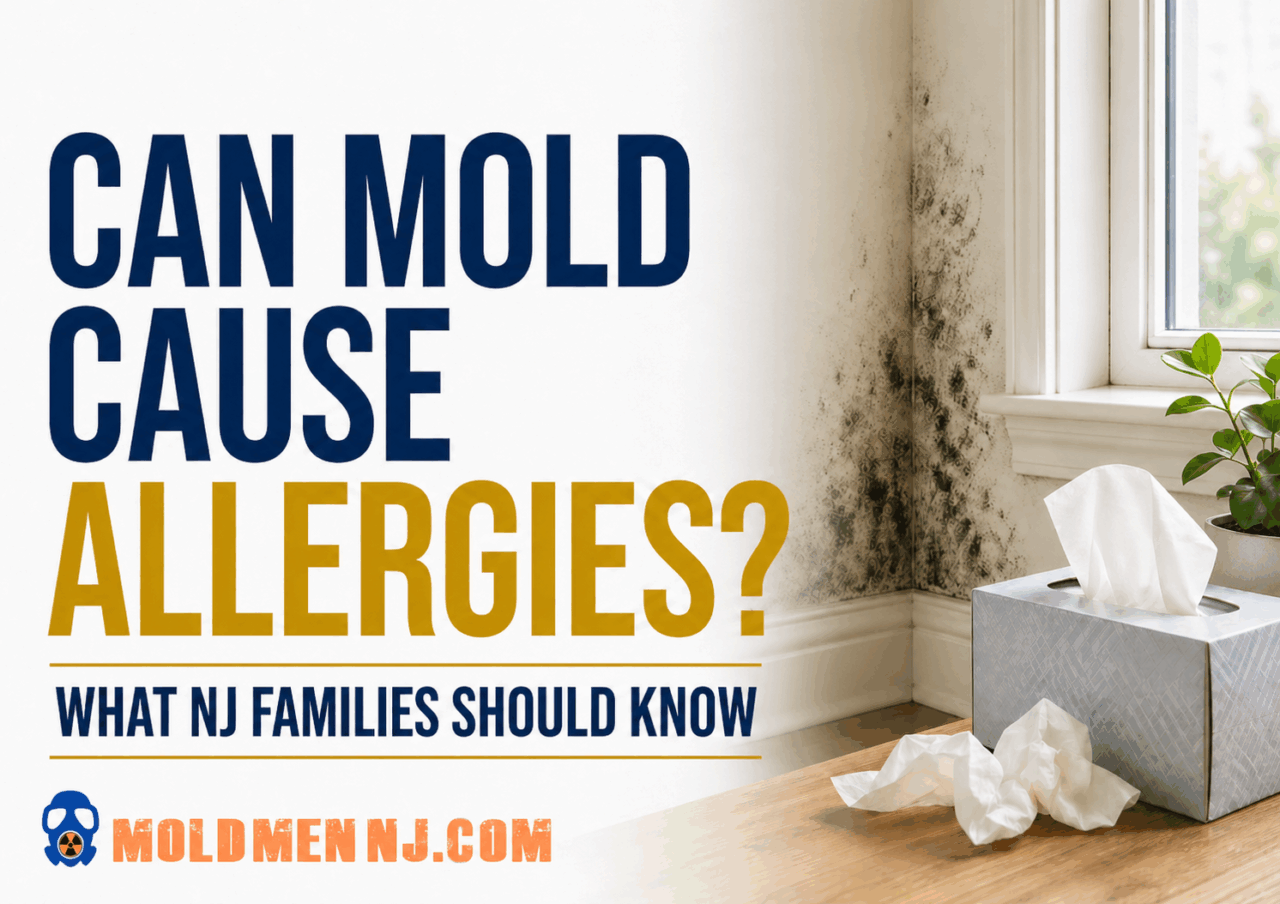
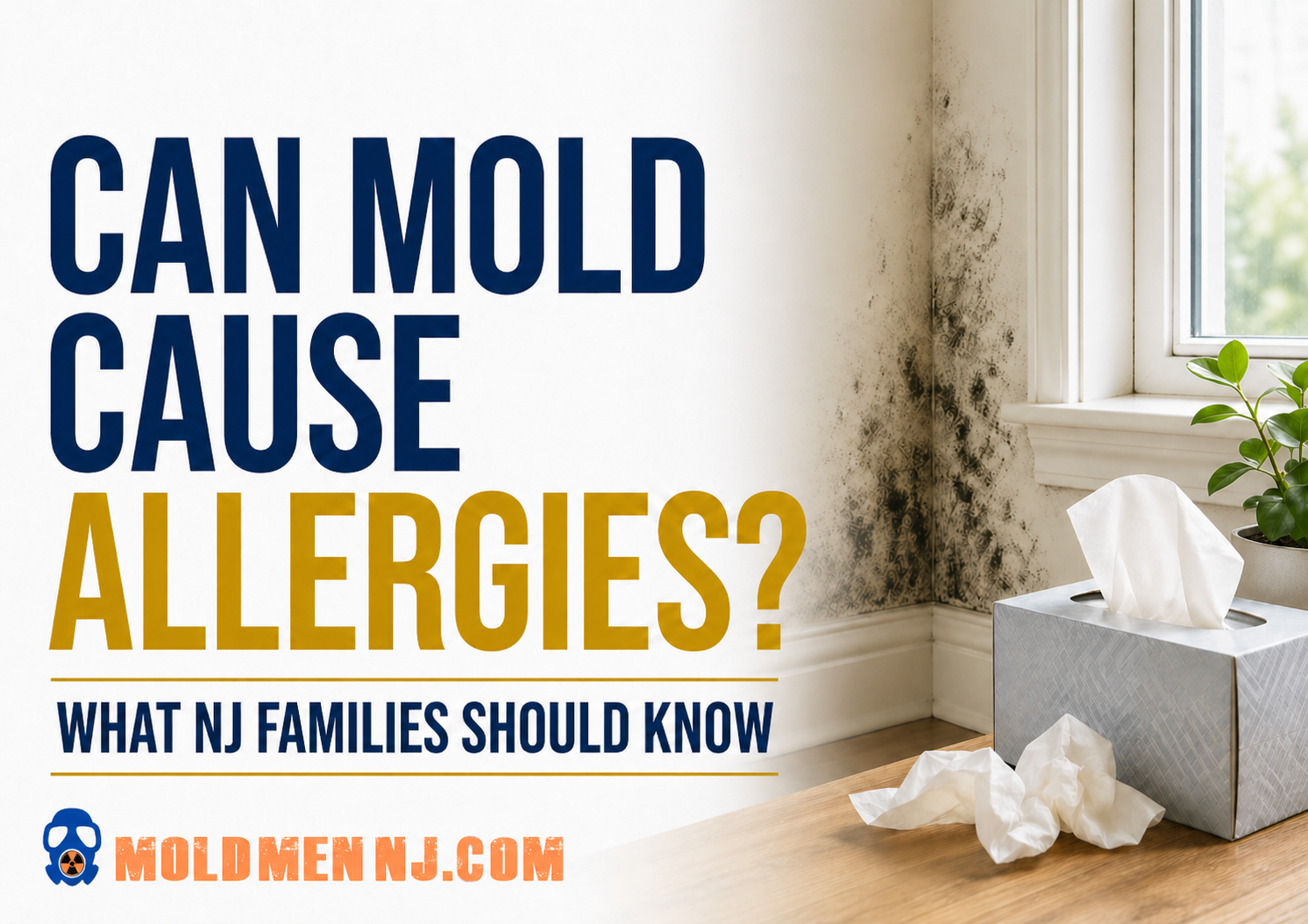
Many homeowners deal with sneezing, congestion, itchy eyes, or coughing and assume it is only seasonal allergies. In some cases, indoor conditions may also play a role. One common question families ask is: can mold cause allergies in your home?
The answer is that mold exposure may trigger allergy-like symptoms in some individuals, especially when moisture problems allow mold to grow indoors. Homes with hidden leaks, damp basements, bathroom humidity, or past water damage may create conditions where mold develops and affects indoor comfort.
For New Jersey families who spend more time indoors during winter months or humid summer periods, understanding this connection can help identify possible causes of recurring symptoms.
Mold Men NJ helps residential and commercial property owners throughout New Jersey locate mold remediation issues, identify moisture sources, and restore safer indoor environments.
Can Mold Cause Allergies?
For some people, exposure to mold may contribute to allergy-like reactions. Sensitivity can vary widely from person to person.
According to Centers for Disease Control and Prevention and United States Environmental Protection Agency guidance, indoor mold should be addressed promptly, especially when moisture problems are present.
Some people may notice symptoms become worse in damp indoor environments or improve when away from home.
Common Mold Allergy Symptoms
Possible symptoms may include:
- Sneezing
- Runny nose
- Nasal congestion
- Itchy eyes
- Watery eyes
- Throat irritation
- Coughing
- Skin irritation in some cases
- An increase in Asthma related symptoms
- Headaches related to poor indoor comfort for some individuals
Symptoms can overlap with seasonal allergies, dust, pets, or other indoor irritants.
Why Symptoms May Be Worse at Home
If symptoms seem stronger indoors, hidden moisture or mold may be one possible factor.
Common household problem areas include:
- Basements
- Bathrooms
- Attics
- Crawlspaces
- Behind drywall
- Under flooring
- Around windows
- Near plumbing leaks
These areas may allow mold growth without being immediately visible.
Why New Jersey Homes May Be More Vulnerable
Homes across New Jersey often face moisture conditions that can support indoor mold growth.
Humid Summers
Warm humid air can increase indoor moisture levels.
Cold Winters
Closed windows and limited ventilation may trap indoor moisture.
Basement Dampness
Older homes and below-grade spaces may develop recurring damp conditions.
Storm Damage
Roof leaks or flooding can create hidden moisture issues.
Can Mold Affect Children and Older Adults More?
Some families are especially concerned when children or older adults live in the home. While sensitivity varies, many homeowners choose to address indoor mold quickly when vulnerable family members are present.
Children often spend more time indoors and may be more affected by poor indoor air quality.
How To Tell If Mold May Be a Factor
While symptoms alone do not confirm mold, some clues may suggest the home should be evaluated.
Symptoms Improve Outside the Home
If symptoms feel better at work, school, or while traveling.
Musty Odors Indoors
A damp smell may indicate hidden moisture.
Recent Water Damage
Flooding, leaks, or plumbing problems increase risk.
Visible Mold Growth
Dark spotting around bathrooms, basements, windows, or walls.
Seasonal Indoor Issues
Symptoms that worsen when the home is closed up during winter or humid summer months.
What To Do If You Suspect Mold in the Home
1. Look for Moisture Sources
Check for leaks, stains, damp materials, or humidity issues.
2. Improve Ventilation
Use bathroom fans, kitchen exhaust, and airflow where possible.
3. Control Humidity
Dehumidifiers may help in damp basements or lower levels.
4. Address Water Damage Quickly
Dry wet materials promptly after leaks or flooding.
5. Schedule a Professional Inspection
If odors, recurring symptoms, or visible mold continue, professional evaluation may be the best next step.
Why Professional Help Matters
Many mold problems are hidden behind walls, under flooring, or inside basements where homeowners cannot easily see them.
A professional evaluation may help identify:
- Moisture sources
- Hidden mold conditions
- Ventilation issues
- Areas needing remediation
- Prevention steps
Why Local Experience Matters in New Jersey
Homes in Kinnelon, Wayne, Parsippany, Montville, Butler, Pequannock, and surrounding North Jersey communities often deal with:
- Basement humidity
- Roof wear
- Seasonal condensation
- Older plumbing systems
- Storm-related moisture problems
A local company familiar with these conditions can often identify likely causes faster.
FAQ
Can mold cause allergies in your home?
Yes, mold exposure may trigger allergy-like symptoms in some individuals.
What symptoms can mold cause?
Sneezing, congestion, coughing, itchy eyes, and irritation are common concerns.
How do I know if mold is causing symptoms?
Symptoms improving away from home, musty odors, or moisture issues may suggest the home should be evaluated.
Can mold affect children more?
Some families choose to address mold quickly when children are present because sensitivities vary.
What should I do if I suspect mold?
Look for moisture sources and consider professional inspection if issues continue.
Key Takeaway
Can mold cause allergies in your home? For some people, yes. When moisture problems allow mold to grow indoors, allergy-like symptoms may become worse. Addressing leaks, controlling humidity, and inspecting hidden problem areas can help create a healthier living environment.
About Mold Men NJ
Mold Men NJ is a veteran-owned, licensed, certified, and insured company serving residential and commercial customers throughout New Jersey. Services include mold remediation, water damage restoration, fire restoration, and lead remediation.
Contact Mold Men NJ
Mold Men NJ
36 Banta Rd, Kinnelon NJ 07405
(201) 729-3220
moldmennewjersey@gmail.com
https://moldmennj.com/
Mold may affect people differently. This article is informational only. For health concerns, contact a healthcare provider. For mold concerns, contact Mold Men NJ.
