When Does Moldy Drywall Need to Be Removed?
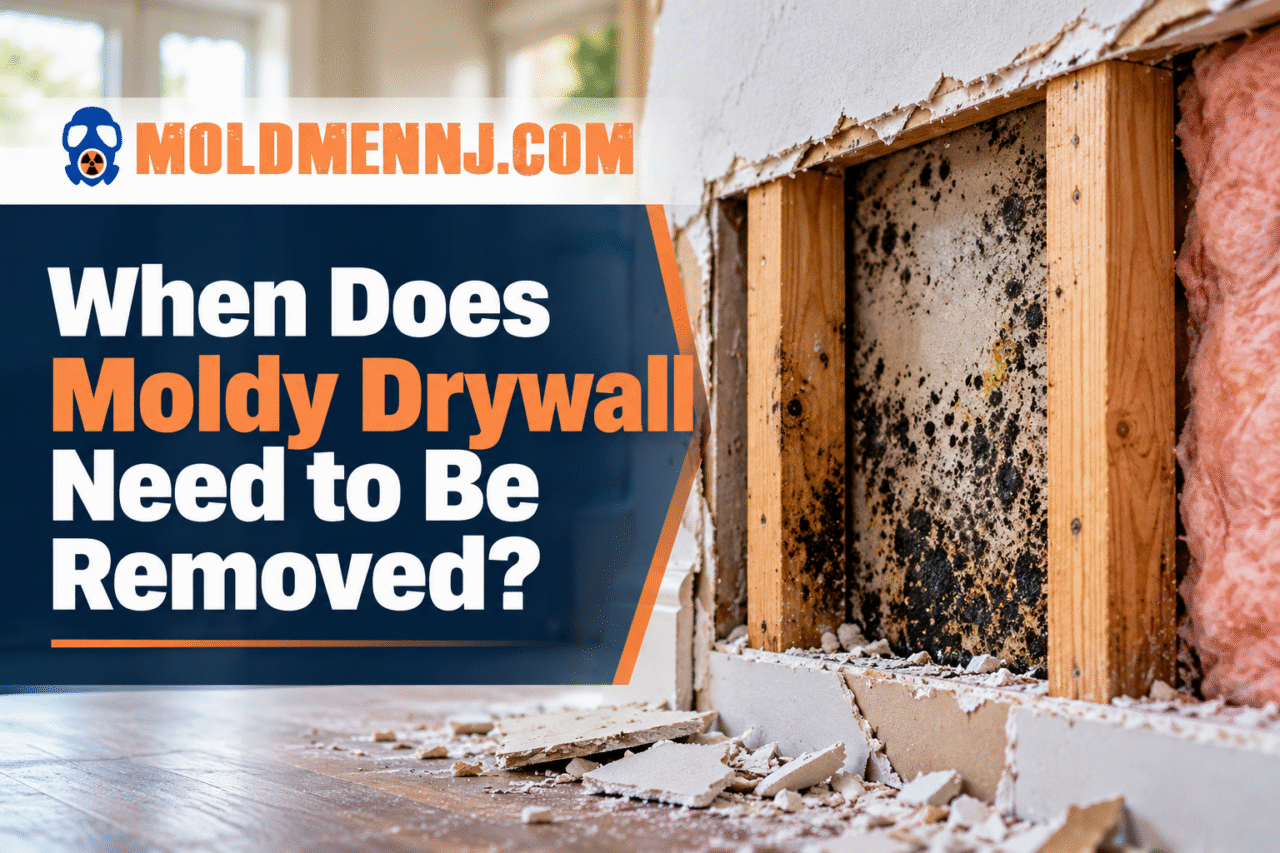
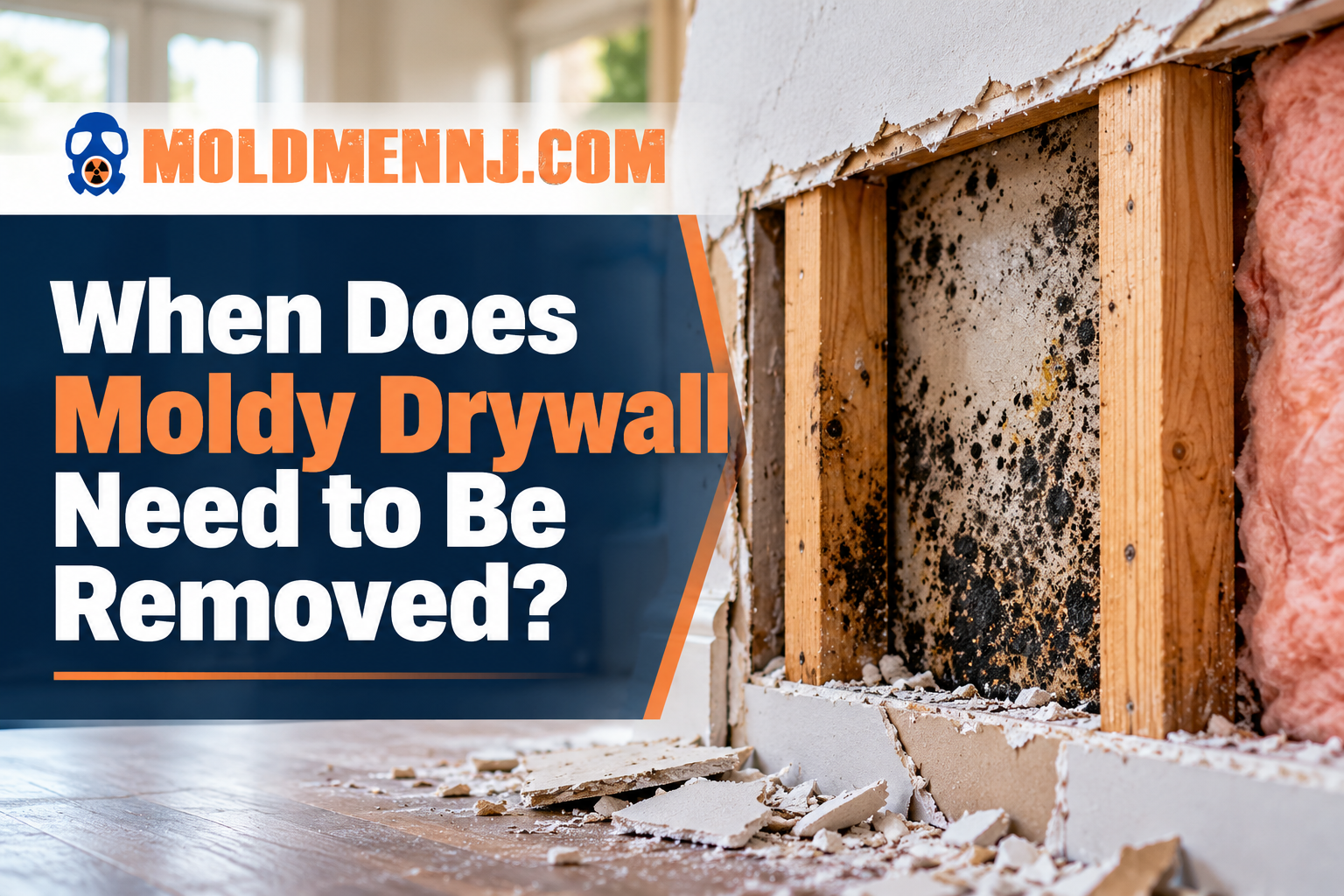
Mold on drywall can range from a small surface issue to a sign of a larger moisture problem inside a wall. Because drywall is porous, moisture and mold can sometimes affect more than the painted surface that is immediately visible.
That does not mean every piece of drywall with mold automatically needs to be demolished. The right approach depends on how much of the material is affected, how long it has been wet, whether the drywall has deteriorated, and whether mold or moisture has reached concealed areas.
A proper mold remediation process should include assessing the damaged materials first and determining whether cleaning is appropriate or whether affected Sheetrock and other materials need to be removed.
Why Does Mold Grow on Drywall?
Drywall contains materials that can hold moisture, especially when exposed to leaks, flooding, condensation, or persistent humidity.
Common moisture sources include:
- Plumbing leaks
- Roof leaks
- Basement moisture
- Flooding
- Burst pipes
- Condensation
- Appliance leaks
- High indoor humidity
- Water entering around windows or doors
Mold needs moisture to grow. Cleaning visible mold without correcting the moisture source can allow the same conditions to return.
That is why mold remediation involves more than simply wiping down a stained wall.
Does Moldy Drywall Always Need to Be Removed?
No.
The presence of mold does not automatically mean every affected wall needs demolition. In some situations, limited surface growth may be evaluated and cleaned without removing the entire section of drywall.
In other cases, removal may be the more appropriate option.
The decision should be based on the condition of the drywall and the surrounding materials rather than assuming every mold problem requires the same treatment.
When Might Moldy Drywall Need to Be Removed?
Several conditions can make drywall removal more likely.
The Drywall Is Heavily Affected
When mold growth covers a larger area or has significantly affected the drywall surface, cleaning the exterior alone may not adequately address the material.
Mold may also be present on the back side of the drywall or within the wall cavity.
Removing affected sections can provide access to concealed areas that need further evaluation and remediation.
The Drywall Has Been Wet for an Extended Period
Drywall that remains damp can absorb moisture and begin to deteriorate.
Signs of moisture damage may include:
- Soft spots
- Swelling
- Crumbling
- Sagging
- Bubbling paint
- Peeling finishes
- Significant discoloration
When the material has physically deteriorated, removal may be necessary even apart from the visible mold growth.
Mold Is Growing on Both Sides of the Drywall
Visible mold on the room-facing side of a wall does not necessarily show how far the problem extends.
If moisture entered from behind the wall because of a plumbing leak, foundation issue, roof leak, or other water source, mold may develop on the back of the Sheetrock as well.
Removal can allow the wall cavity, framing, insulation, and surrounding materials to be properly assessed.
Hidden Mold Behind Drywall
One of the challenges with drywall mold is that the visible surface may not show the full extent of the moisture problem.
Potential signs of hidden moisture or mold can include:
- Persistent musty odors
- Recurring staining
- Soft drywall
- Peeling paint
- Warped baseboards
- Previous water damage
- Moisture readings that remain elevated
- Mold that continues to return after cleaning
These signs do not automatically confirm hidden mold, but they can indicate that further evaluation is appropriate.
If the drywall needs to be opened, affected materials can then be assessed to determine what can remain and what needs to be removed.
What Happens to Insulation Behind Moldy Drywall?
Insulation should also be evaluated when a wall cavity has been affected by moisture or mold.
Wet or mold-affected insulation may be difficult to adequately dry or clean depending on the material and the extent of the damage.
If necessary, affected insulation can be removed along with damaged Sheetrock so the framing and wall cavity can be accessed for cleaning and drying.
This is one reason a mold remediation project should evaluate all affected materials, rather than focusing only on what is visible from the room.
Can Mold Be Cleaned Off Drywall?
Sometimes.
Whether drywall can remain depends on factors such as:
- The amount of mold growth
- The condition of the material
- How deeply moisture penetrated
- Whether the drywall is still structurally sound
- Whether growth is limited to the surface
- Whether mold is present behind the wall
- Whether the moisture source has been corrected
Small surface areas and extensively water-damaged drywall should not automatically be treated the same way.
A professional assessment helps determine the appropriate scope of work.
Why Removing Only a Small Strip of Drywall May Not Be Enough
The amount of drywall removed should be based on where the actual damage ends.
If water or mold extends farther up a wall, removing only a small strip near the floor may leave affected Sheetrock or concealed moisture behind.
During remediation, the affected materials should be evaluated so demolition—if needed—extends far enough to address the actual damaged area.
The goal is not to remove more material than necessary. It is also not to leave compromised material behind simply to minimize demolition.
What Happens During Mold-Related Demolition?
When demolition is appropriate, the work should be controlled to help limit the spread of debris and mold particles into unaffected areas.
Depending on the conditions, the process may include:
-
Assessing the mold and moisture problem
The affected areas and building materials are evaluated to determine the extent of the problem. -
Containing the work area when appropriate
The remediation area may be separated from unaffected portions of the property. -
Removing affected materials if needed
Mold-affected Sheetrock, insulation, flooring, or other materials that cannot remain may be carefully removed. -
Cleaning exposed areas
Accessible framing and surrounding surfaces are addressed using appropriate remediation procedures. -
Drying moisture-affected materials
Wet framing, wall cavities, or other materials are dried when necessary. -
Reviewing the completed area
Remaining moisture conditions and restoration needs are evaluated before reconstruction begins.
Demolition is one part of the remediation process, not the entire process.
Does Moldy Drywall Mean the Framing Is Moldy Too?
Not necessarily.
However, if enough moisture entered the wall cavity, wood framing may also have been exposed.
Once affected drywall is removed, the framing can be inspected to determine whether additional cleaning or drying is needed.
Some framing can often remain in place depending on its condition and the scope of the mold or moisture problem.
The important point is that concealed materials should be assessed rather than assumed to be unaffected.
What About Mold After Water Damage?
Water damage and mold problems are closely connected because both involve moisture.
After a leak, flood, or plumbing failure, the cleanup process should include evaluating:
- Drywall
- Insulation
- Flooring
- Framing
- Baseboards
- Cabinets
- Ceiling materials
- Other porous materials
Some affected materials may be able to remain after proper drying. Others may require demolition and removal if they are too damaged or cannot be properly addressed.
Prompt water mitigation and structural drying can help reduce the amount of time materials remain damp.
Should You Cover Moldy Drywall With Paint?
Painting over visible mold does not address the underlying moisture problem or remove affected material.
The moisture source should first be identified and corrected.
The drywall should then be evaluated to determine whether it can be appropriately cleaned or whether removal is necessary.
Covering visible growth without dealing with the conditions behind it can hide the problem rather than resolve it.
What About Black Mold on Drywall?
The color of mold alone does not determine the appropriate remediation process.
Dark green, gray, brown, or black growth can appear on drywall when sufficient moisture is present. Visual appearance by itself cannot reliably determine the species of mold or the extent of contamination behind the wall.
The focus should be on:
- Finding the moisture source
- Assessing affected materials
- Determining the extent of the growth
- Removing damaged materials when necessary
- Cleaning and drying the affected area
The same basic remediation principles apply regardless of the mold’s color.
When Should You Consider Professional Mold Remediation?
Professional mold remediation may be appropriate when:
- Mold covers a significant area
- Drywall is heavily damaged
- Mold keeps returning
- The source of moisture is unclear
- Mold is suspected behind walls
- Insulation or framing may be affected
- Water damage affected multiple materials
- Demolition may be necessary
- The affected area is difficult to access
Professional mold remediation experts can evaluate both the visible mold and the materials that may have been affected by moisture.
For New Jersey property owners, choosing a mold remediation company in NJ that evaluates damaged materials and includes removal when needed can help ensure the scope of work addresses more than just the visible surface.
Mold Removal and Damaged Material Assessment
Mold Men NJ provides mold removal and remediation services for residential and commercial properties.
The process can include identifying moisture conditions, evaluating affected Sheetrock and other building materials, containment when appropriate, demolition and removal if needed, cleaning, and drying.
For property owners looking for mold removal experts in NJ or professional mold remediation services, the goal should be to address both the visible growth and the moisture conditions contributing to it.
Key Takeaway
Moldy drywall does not automatically need to be removed in every situation.
The deciding factors are the extent of the mold, the amount of moisture involved, the condition of the drywall, and whether surrounding or concealed materials are also affected.
A proper remediation process should assess damaged materials first. When Sheetrock or other materials cannot be appropriately cleaned, dried, or left in place, controlled demolition and removal may be necessary to access and remediate the affected area.
About Mold Men NJ
Mold Men NJ is a veteran-owned, licensed, certified, and insured company serving residential and commercial customers throughout New Jersey. Services include mold remediation, water damage restoration, fire restoration, and lead remediation.
Contact Mold Men NJ
Mold Men NJ
36 Banta Rd, Kinnelon NJ 07405
(201) 729-3220
moldmennewjersey@gmail.com
https://moldmennj.com/contact/
Disclaimer: This article is informational only. Mold and indoor moisture conditions may affect people differently. For health concerns, contact a licensed healthcare provider. For mold, moisture, or property concerns, contact Mold Men NJ.
