Is Black Mold Dangerous? Facts, Risks, and What to Do Next
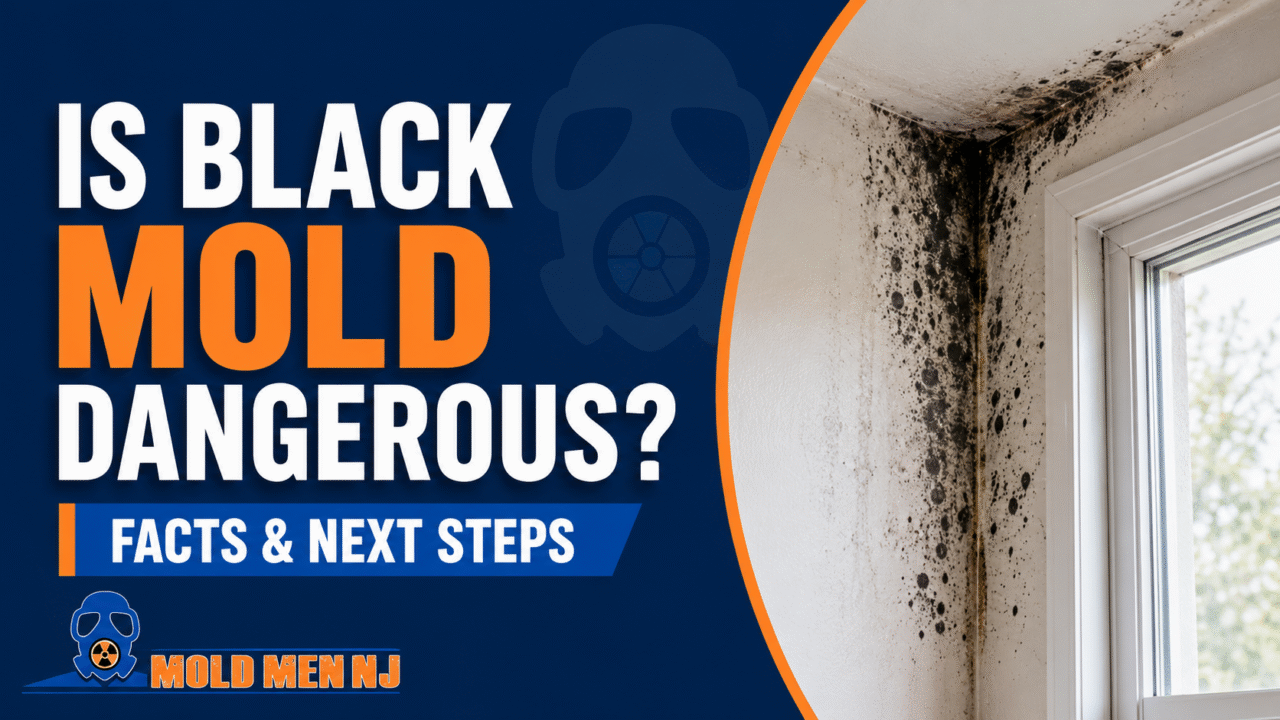
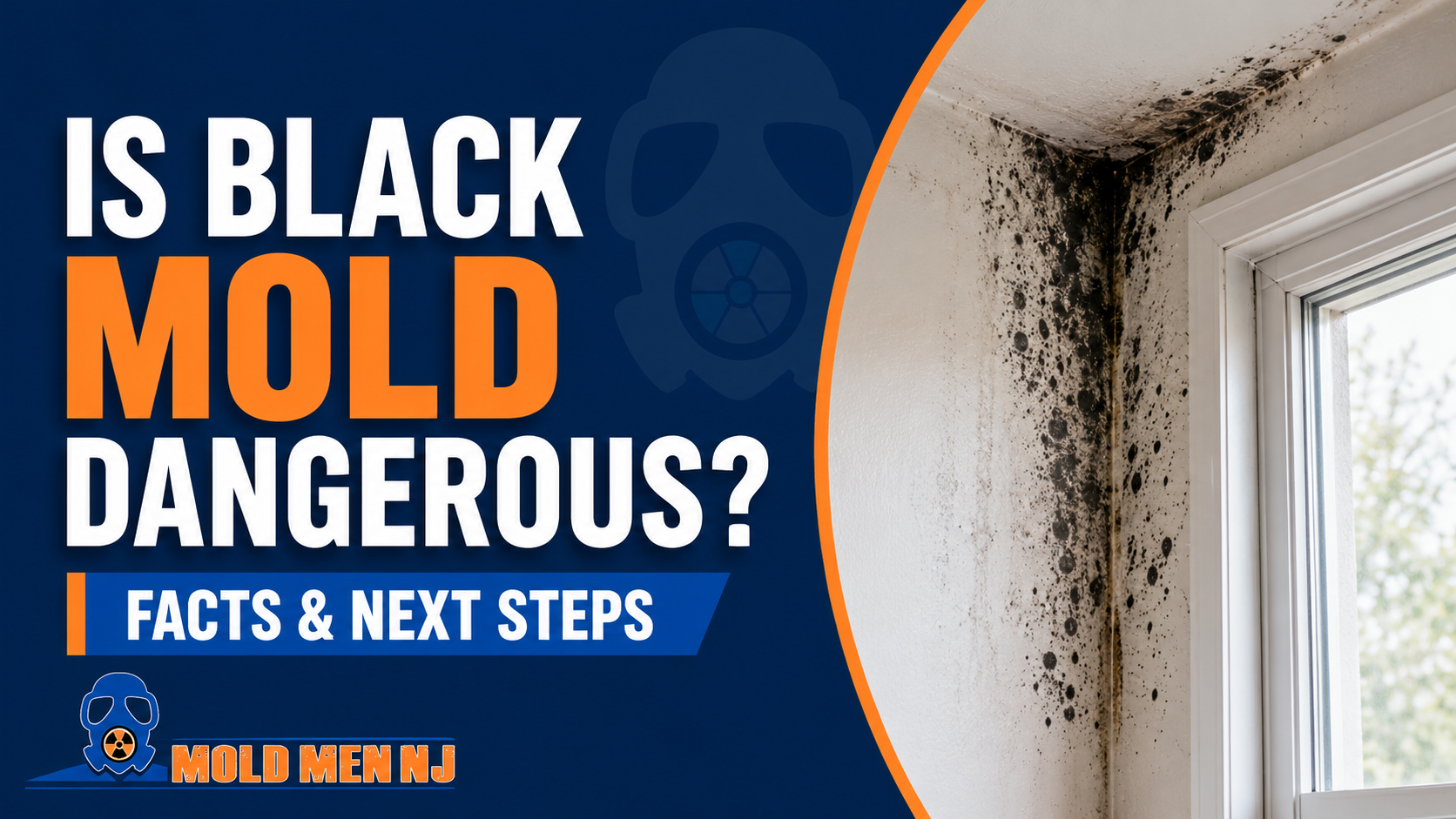
When homeowners discover dark mold on a wall, ceiling, basement surface, or bathroom caulk, one of the first questions is often: is black mold dangerous?
The phrase “black mold” is commonly used to describe dark-colored mold growth, but not all black mold is the same. Mold can appear in different colors, textures, and locations depending on moisture conditions and the materials affected.
Because any indoor mold problem usually signals unwanted moisture, New Jersey homeowners often focus less on color alone and more on removing the mold source and correcting the water issue quickly.
Mold Men NJ helps residential and commercial property owners throughout New Jersey identify mold issues, locate moisture sources, and restore safer indoor environments.
What Is Black Mold?
“Black mold” is a general term people often use for mold that appears dark green, brown, gray, or black.
Different types of mold can appear dark in color. Because appearance alone does not confirm the exact type, professional evaluation is often more useful than guessing based on color.
The bigger concern is usually:
- Why mold is growing
- How much moisture is present
- Whether the area is spreading
- If materials are being damaged
- Whether hidden mold may also exist
Is Black Mold Dangerous?
Any mold growth indoors should be taken seriously because it may indicate ongoing moisture problems and can damage building materials.
For some individuals, mold exposure may also be associated with irritation or discomfort depending on personal sensitivities.
According to Centers for Disease Control and Prevention and United States Environmental Protection Agency guidance, visible mold and moisture issues should be cleaned up and corrected promptly.
Why Color Is Not the Main Issue
Many homeowners assume black mold is always worse than other colors. In reality, color alone does not determine the severity of the problem.
White, green, brown, orange, or black mold can all indicate moisture issues that need attention.
The most important factors are:
- Size of the affected area
- Hidden growth behind surfaces
- Ongoing leaks or humidity
- Material damage
- Indoor conditions
Common Places Homeowners Find Dark Mold
Bathrooms
Dark spotting on caulk, grout, ceilings, or around tubs is common in humid bathrooms.
Basements
Damp basement walls, storage areas, or unfinished spaces may develop dark mold.
Around Windows
Condensation can create mold growth on trim or drywall.
Attics
Roof leaks and poor ventilation may create dark staining or mold on wood surfaces.
Behind Drywall
Hidden leaks can create mold that eventually shows through paint or walls.
Crawlspaces
Crawlspaces can also develop dark mold when ground moisture, poor airflow, or plumbing leaks affect wood framing and insulation.
Why New Jersey Homes Can Develop Mold Problems
Homes across New Jersey often deal with moisture conditions that may support mold growth.
Humid Summers
Warm humid weather raises indoor moisture.
Cold Winters
Condensation may develop around windows and colder surfaces.
Basement Dampness
Below-grade spaces are common moisture zones.
Storm Damage
Roof leaks or flooding may create hidden water damage.
Older Homes
Aging roofs, plumbing systems, or ventilation issues may increase risk.
Signs Mold Should Be Addressed Quickly
Homeowners often act quickly when they notice:
- Musty odors
- Expanding mold spots
- Water stains
- Soft drywall
- Recurring mold after cleaning
- Damp rooms
- Health concerns from occupants
What Homeowners Should Do
1. Fix the Moisture Source
Leaks, humidity, or water intrusion should be corrected.
2. Do Not Ignore Small Areas
Small visible growth may indicate larger hidden moisture issues.
3. Improve Ventilation
Bathrooms, basements, and damp rooms benefit from airflow.
4. Dry Wet Materials Quickly
After leaks or flooding, fast drying matters.
5. Schedule a Professional Evaluation
If mold is widespread, recurring, or hidden, professional help may be wise.
Why Professional Help Matters
A professional evaluation may help identify:
- Hidden moisture sources
- Mold behind walls or under flooring
- Ventilation problems
- Water damage requiring repair
- Areas needing remediation
Why Local Experience Matters in New Jersey
Homes in Kinnelon, Wayne, Parsippany, Montville, Butler, Pequannock, and surrounding North Jersey communities often deal with:
- Basement humidity
- Seasonal condensation
- Roof wear
- Storm moisture damage
- Older plumbing systems
A local company familiar with these conditions can often identify likely causes faster.
FAQ
Is black mold dangerous?
Any mold indoors should be addressed because it often signals moisture issues and may damage materials.
Is all black mold the same?
No. Many different molds may appear dark in color.
Should I worry about small black spots in a bathroom?
Small spots may still indicate excess moisture or poor ventilation.
Does black mold mean toxic mold?
Color alone does not identify a specific mold type.
What is the best next step?
Correct the moisture source and consider professional evaluation if the issue is spreading or recurring.
Key Takeaway
Is black mold dangerous? Any indoor mold should be taken seriously because it often points to moisture problems and may spread if ignored. The most important step is correcting the water source and addressing the mold promptly.
About Mold Men NJ
Mold Men NJ is a veteran-owned, licensed, certified, and insured company serving residential and commercial customers throughout New Jersey. Services include mold remediation, water damage restoration, fire restoration, and lead remediation.
Contact Mold Men NJ
Mold Men NJ
36 Banta Rd, Kinnelon NJ 07405
(201) 729-3220
moldmennewjersey@gmail.com
https://moldmennj.com/contact/
Disclaimer: Mold may affect people differently. This article is informational only. For health concerns, contact a healthcare provider. For mold concerns, contact Mold Men NJ.
