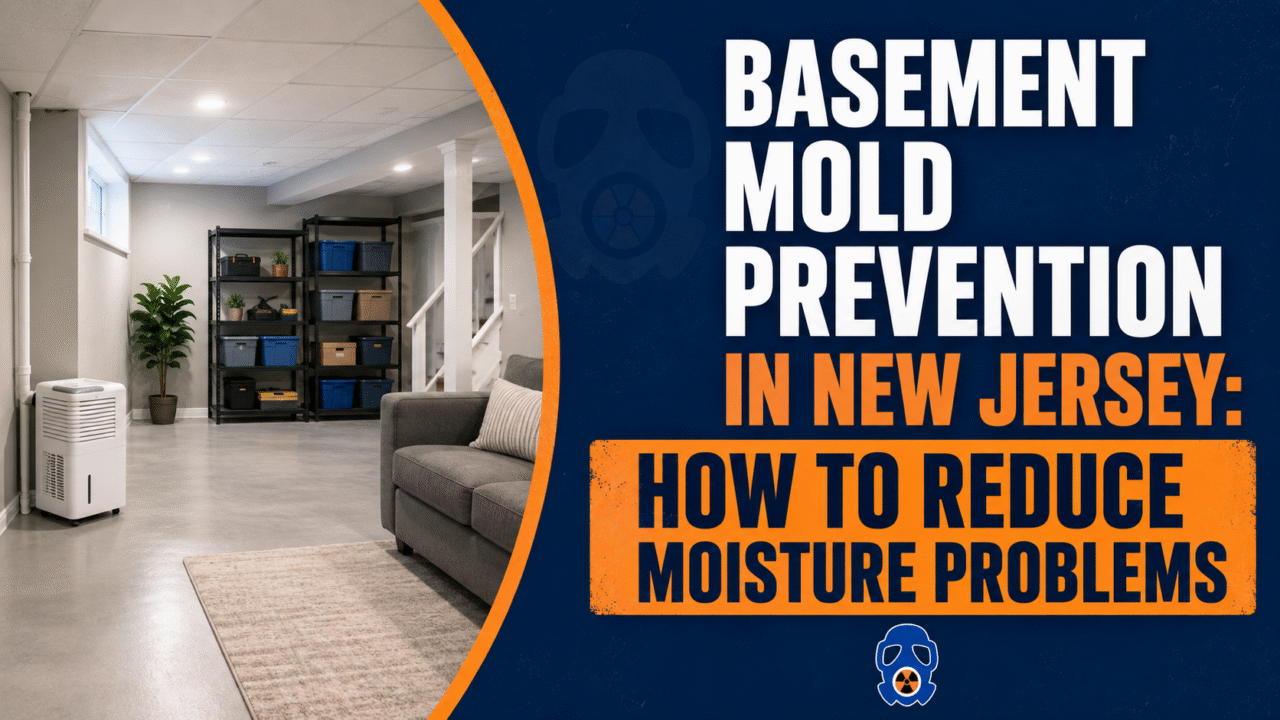
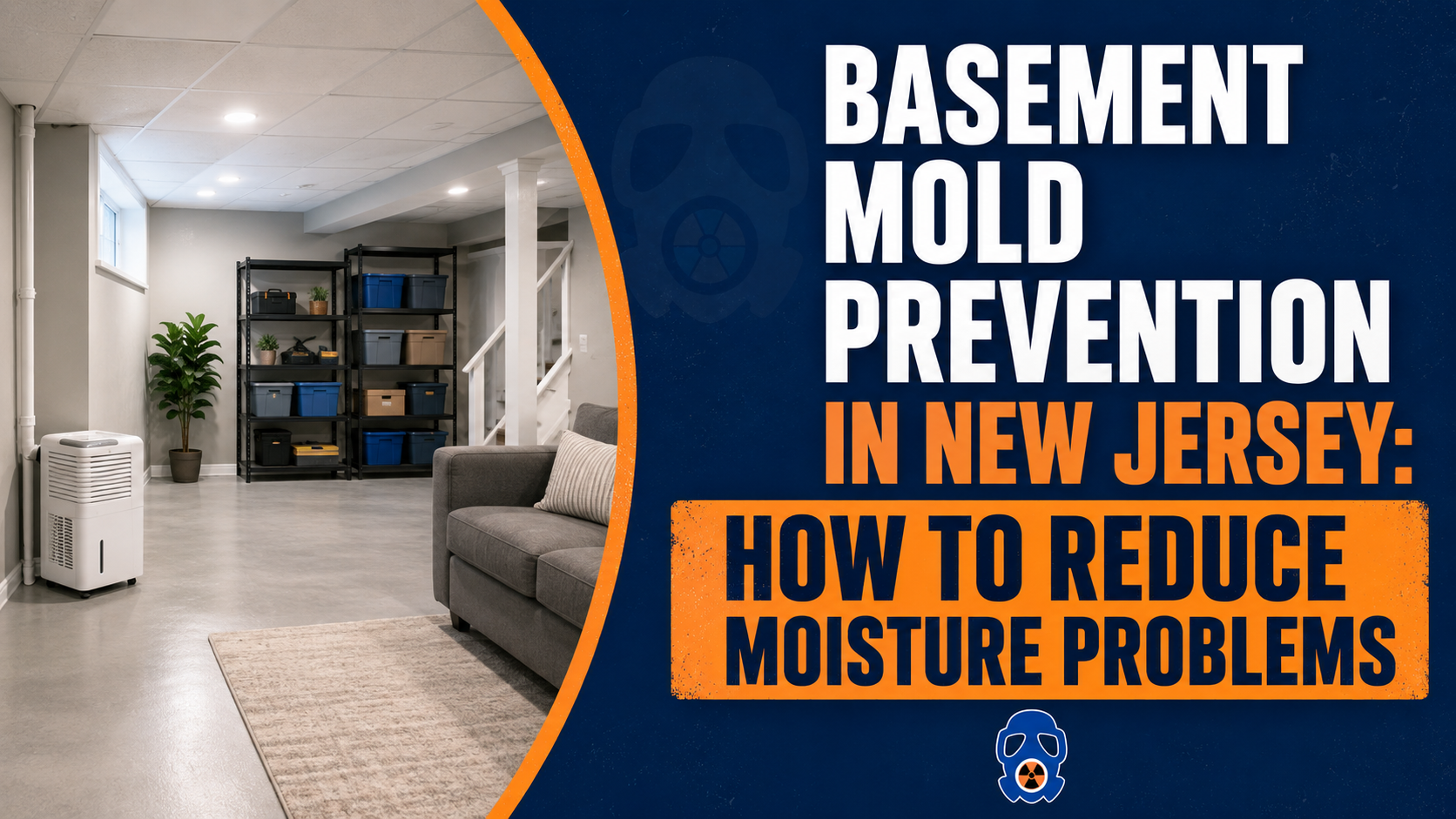
Basement Mold Prevention in New Jersey: How to Reduce Moisture Problems
Basements are one of the most common places for mold problems to begin. Many homeowners only notice an issue after they smell mustiness, see water stains, or discover damage behind finished walls or stored belongings.
That is why many people ask an important question: how do you prevent mold in basements?
For New Jersey homeowners, basement mold prevention is especially important because homes across the state often deal with heavy rain, snow melt, foundation seepage, humidity, and sump pump issues. The good news is that many mold problems can be reduced or avoided by controlling moisture early.
Mold Men NJ helps residential and commercial property owners throughout New Jersey identify basement moisture issues, address mold concerns, and restore safer indoor environments.
Why Basements Are Prone to Mold
Basements naturally sit below ground level, which means they are more exposed to surrounding soil moisture and water pressure. They also tend to have lower airflow than upper levels of a home.
Common reasons mold develops in basements include:
- High humidity
- Foundation seepage
- Heavy rain intrusion
- Sump pump failure
- Plumbing leaks
- Condensation on pipes
- Poor ventilation
- Wet storage items
- Finished basement wall moisture
According to United States Environmental Protection Agency guidance, moisture control is one of the most important parts of preventing indoor mold growth.
Top Ways to Prevent Mold in Basements
1. Control Humidity Levels
Humidity is one of the biggest basement mold triggers. Even without flooding, damp air can support mold growth over time.
Use a dehumidifier during humid months and monitor moisture levels regularly.
2. Fix Water Leaks Quickly
Do not ignore:
- Pipe leaks
- Water heater leaks
- Laundry appliance leaks
- Window leaks
- Foundation seepage
Even slow leaks can create hidden mold behind walls or under flooring.
3. Improve Airflow
Basements often have stale air. Better airflow can help surfaces dry faster and reduce damp conditions.
Use:
- Fans
- Open doors when possible
- HVAC circulation
- Ventilation improvements
4. Keep Gutters and Downspouts Clear
Roof runoff should be directed away from the home. Overflowing gutters can increase water pressure around the foundation.
5. Grade Soil Away From the Home
Improper grading may direct water toward basement walls instead of away from the structure.
6. Maintain the Sump Pump
Many New Jersey homes rely on sump pumps. Test the system regularly, especially before heavy rain seasons.
Consider backup power options if flooding risk is high.
7. Avoid Storing Wet Cardboard or Fabric
Cardboard boxes, clothing, paper goods, and stored fabrics can hold moisture and support mold growth.
Use plastic storage bins instead when possible.
8. Insulate Cold Pipes
Cold water pipes may sweat in humid weather, creating recurring condensation.
9. Inspect Finished Basements Carefully
Finished basements may hide moisture behind drywall, trim, flooring, or insulation. Pay attention to odors, staining, or soft materials.
Signs Basement Mold May Be Starting
Early warning signs include:
- Musty odors
- Damp walls or floors
- Condensation on windows or pipes
- Peeling paint
- Water stains
- Warped flooring
- Visible spotting on surfaces
- Allergy-like symptoms indoors
Addressing these signs early can help prevent larger repairs later.
Why New Jersey Basements Need Extra Attention
Homes in Kinnelon, Wayne, Parsippany, Montville, Butler, Pequannock, and surrounding North Jersey communities often face:
- Older foundations
- Seasonal groundwater pressure
- Heavy rainstorms
- Snow melt
- Humid summers
- Finished basement moisture traps
Local weather and home construction patterns make prevention especially valuable.
Can Mold Grow in a Dry Looking Basement?
Yes. Some basements appear dry on the surface while hidden moisture remains behind walls, under flooring, or inside stored materials.
That is why smell, humidity, and subtle warning signs matter.
What To Do After Basement Flooding
If water enters the basement:
Remove Water Quickly
Standing water should be addressed as soon as safely possible.
Dry Materials Fast
Use fans, dehumidifiers, and ventilation.
Check Hidden Areas
Water may reach finished walls or floor systems.
Inspect Within Days
Flooding can create mold risk if moisture remains trapped.
When Professional Help May Be Smart
Consider professional help when:
- Musty odors continue
- Water keeps returning
- Mold is visible
- Walls feel soft
- Flooring warps
- Flooding was significant
- Hidden moisture is suspected
Why Professional Moisture Evaluation Helps
A professional evaluation may identify:
- Water entry points
- Hidden damp materials
- Ventilation issues
- Foundation concerns
- Areas at risk for mold growth
This can help prevent recurring problems.
FAQ
How do I prevent mold in my basement?
Control humidity, fix leaks quickly, improve airflow, and keep water away from the foundation.
Is a dehumidifier worth it for a basement?
Yes. Many basements benefit from dehumidification, especially during humid months.
Why does my basement smell musty but look dry?
Hidden moisture behind walls, under flooring, or in stored materials may still be present.
Can mold grow in finished basements?
Yes. Finished walls and flooring can hide moisture damage.
How often should I inspect my basement?
Seasonally and after heavy rainstorms is a smart routine.
Key Takeaway
How to prevent mold in basements starts with moisture control. Reduce humidity, fix leaks quickly, maintain drainage systems, and act early when warning signs appear. Preventing water problems is often the best defense against basement mold.
About Mold Men NJ
Mold Men NJ is a veteran-owned, licensed, certified, and insured company serving residential and commercial customers throughout New Jersey. Services include mold remediation, water damage restoration, fire restoration, and lead remediation.
Contact Mold Men NJ
Mold Men NJ
36 Banta Rd, Kinnelon NJ 07405
(201) 729-3220
moldmennewjersey@gmail.com
Disclaimer: Mold may affect people differently. This article is informational only. For health concerns, contact a healthcare provider. For mold concerns, contact Mold Men NJ.
