BATHROOM MOLD REMOVAL
Bathroom mold
removal in NJ.
Get ahead of moisture.
Mold that spreads or keeps returning in a bathroom needs more than another surface cleaning. Mold Men NJ provides bathroom mold removal and remediation for homes, rentals, and commercial properties throughout New Jersey.
Assess. Contain. Remove. Restore.
GET HELP WITH YOUR PROPERTY
Request an appointment.
Tell us about your issue. Our team will help you understand the next step.
- Veteran owned
- Certified team
- NJ based
CAREFUL WORK. CLEAR NEXT STEPS.
MORE THAN A SURFACE PROBLEM
Find what is keeping your bathroom damp.
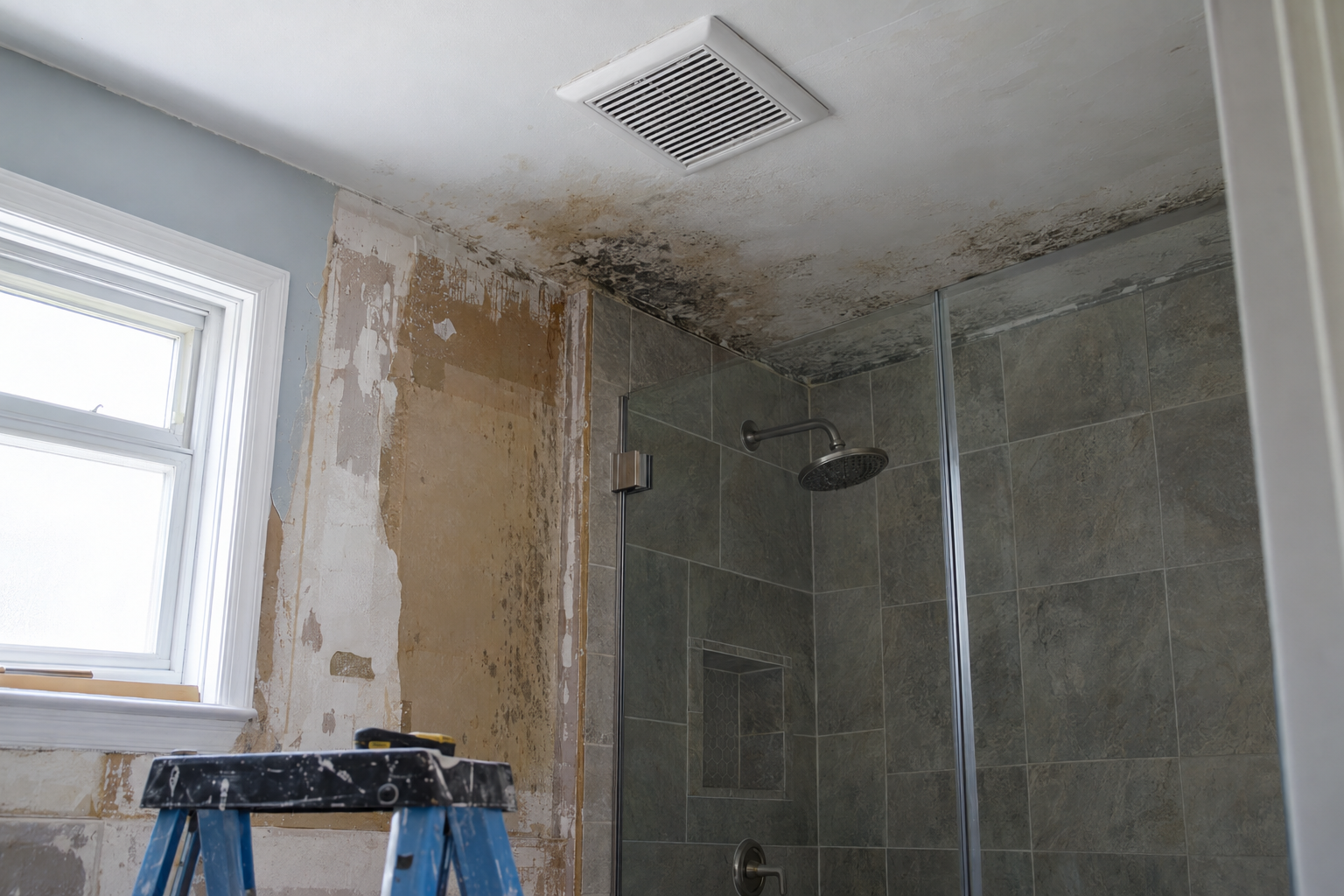
Bathrooms bring together warm air, water vapor, plumbing, grout, caulk, drywall, and sometimes limited airflow. When surfaces stay damp or moisture gets behind finishes, mold concerns can return after cleaning.
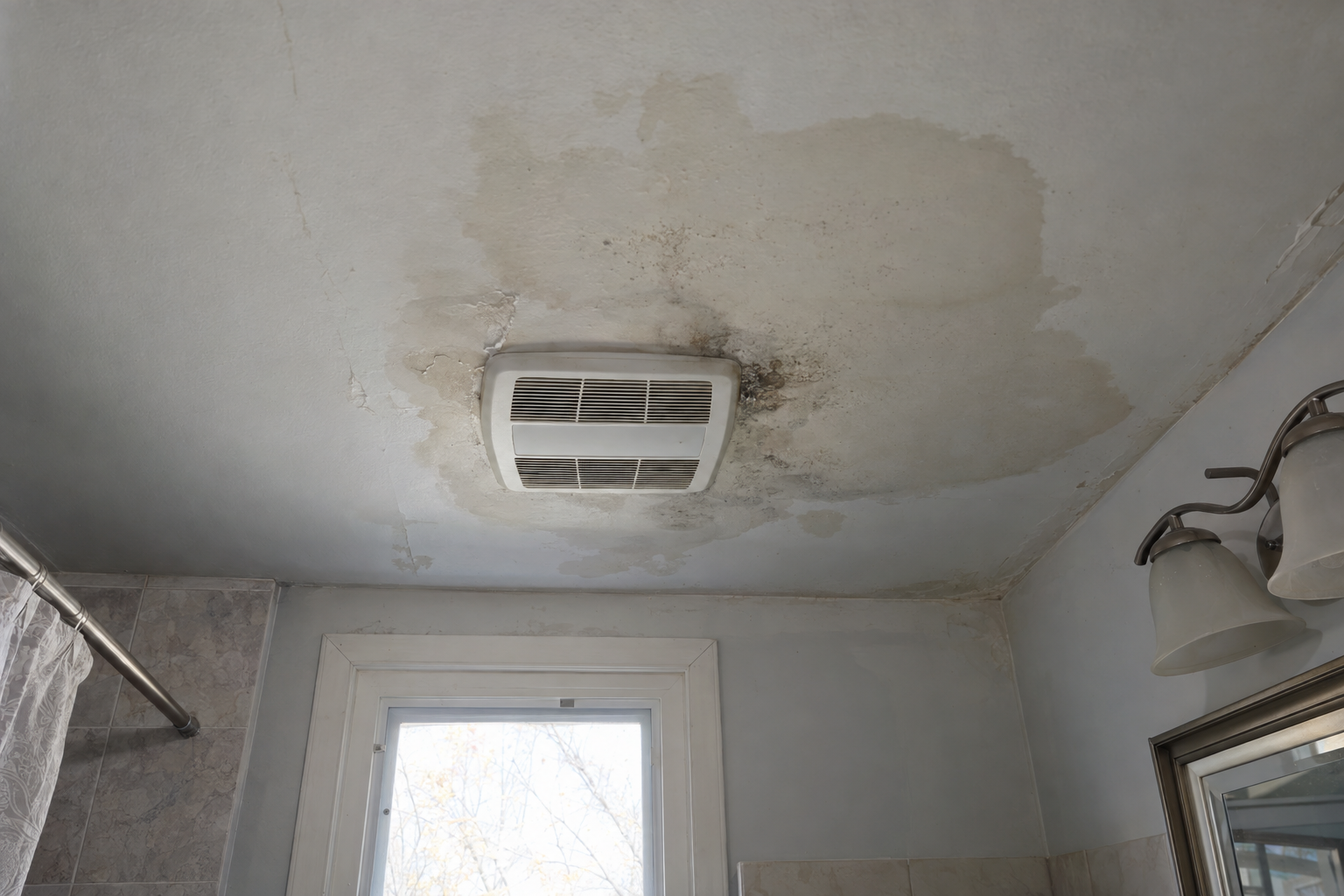
Weak exhaust ventilation, shower leaks, failed caulk, dripping fixtures, wet drywall, high humidity, and roof or ceiling leaks can all contribute. Mold Men NJ looks at the visible damage and the moisture conditions to help define a practical remediation plan.
From its Kinnelon base, our veteran-owned team serves homeowners, landlords, property managers, and businesses across New Jersey, with a natural focus on North Jersey.
UNDERSTAND YOUR PROPERTY
When a bathroom mold concern needs a closer look.
01
Growth or staining
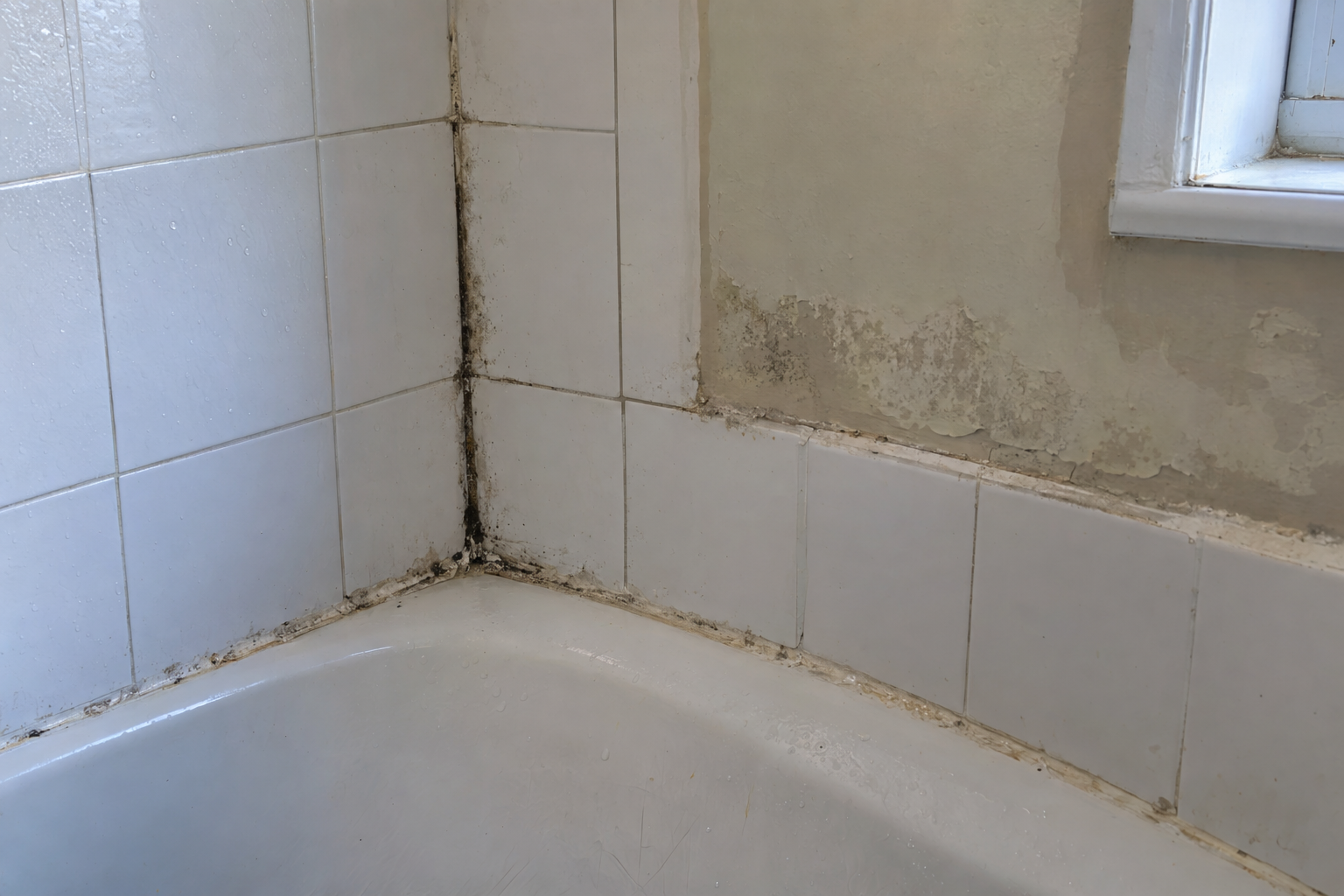
Spotting, staining, or fuzzy growth around ceilings, shower walls, trim, vanities, and exhaust fans should be evaluated. Color alone does not identify mold.
02
A persistent musty smell
An odor that returns after cleaning may point to moisture behind walls, beneath flooring, around plumbing, or above the ceiling.
03
Damaged finishes
Bubbling paint, soft drywall, loose tile, deteriorated caulk, and swollen trim can indicate that moisture has reached building materials.
04
Mold that comes back
Repeated growth in the same area can mean that a leak, humidity issue, or ventilation problem still needs attention.
HOW WE APPROACH THE WORK
A clear process.
A way forward.
The scope is tailored to your property, the affected materials, and the source of moisture.
01
Assess the bathroom
Inspect the affected area and moisture conditions, including the materials involved and signs of active or hidden water damage.
02
Contain the work area
Plan containment around the affected space as needed, with care for nearby rooms and finished surfaces.
03
Remove affected materials
Clean or remove mold-affected materials according to their condition and the agreed remediation scope.
04
Clean, dry, and review moisture
Address cleanup and drying needs while identifying leaks, ventilation issues, or other moisture conditions that need correction.
05
Review results and next steps
Review the work and discuss remaining repairs or moisture concerns. Plumbing, ventilation, or finish repairs may require a separate scope.

VETERAN OWNED. NEW JERSEY FOCUSED.
Certified. Licensed.
Ready to help.
Based in Kinnelon, our team serves New Jersey homes and businesses with careful work, clear communication, and respect for your property.

LOOK AT THE WHOLE PROPERTY
Connected concerns.
Coordinated care.
A slow plumbing leak, overflowing fixture, roof leak, or moisture behind tile can affect drywall, framing, flooring, and nearby rooms. If the mold concern followed a leak or flood, ask about water damage cleanup and drying as part of the plan. Confirm any insurance coverage questions with your insurer.
ANSWERS BEFORE YOU CALL
A few things to know.
What causes mold to grow in bathrooms?
Bathrooms can remain damp because of humidity, weak exhaust ventilation, shower or plumbing leaks, failed caulk, and wet building materials. Understanding the moisture source helps shape a remediation plan that goes beyond visible staining.
Can bathroom mold grow behind walls or tile?
Yes. Moisture that gets behind finishes can affect drywall, framing, and nearby materials. Musty odors, soft drywall, loose tile, or recurring staining can be reasons to have the area evaluated before disturbing it.
Can poor bathroom ventilation contribute to mold growth?
Yes. Limited airflow and ineffective exhaust ventilation can allow humid air and condensation to linger. Improving ventilation can help reduce excess moisture, but existing mold still needs to be addressed. Leaks and the condition of affected materials also need consideration.
Does bathroom mold always mean there is a plumbing leak?
No. Plumbing leaks are one possibility, but condensation, poor ventilation, high humidity, shower leaks, or water entering from above can also contribute. The assessment should consider the conditions specific to your bathroom.
Can bathroom mold come back after remediation?
It can if the moisture conditions remain or return. Addressing leaks, ventilation, and drying needs is an important part of reducing recurring problems. Ask which corrective work is included in the remediation plan and which repairs need separate attention.
LET’S TAKE THE NEXT STEP
Ready when you need us.
Call our team or request an appointment online.
Veteran-owned mold remediation
and water damage restoration.
(201) 279-6078
moldmennewjersey@gmail.com
36 Banta Rd, Kinnelon, NJ 07405