FLOODED BASEMENT • NEW JERSEY
Basement flooding
cleanup in NJ.
A clear way forward.
A flooded basement can affect finished rooms, stored belongings, and the materials beneath them. Mold Men NJ provides 24/7 basement flooding cleanup throughout New Jersey, including water extraction, drying, moisture control, and a clear review of the work your property needs.
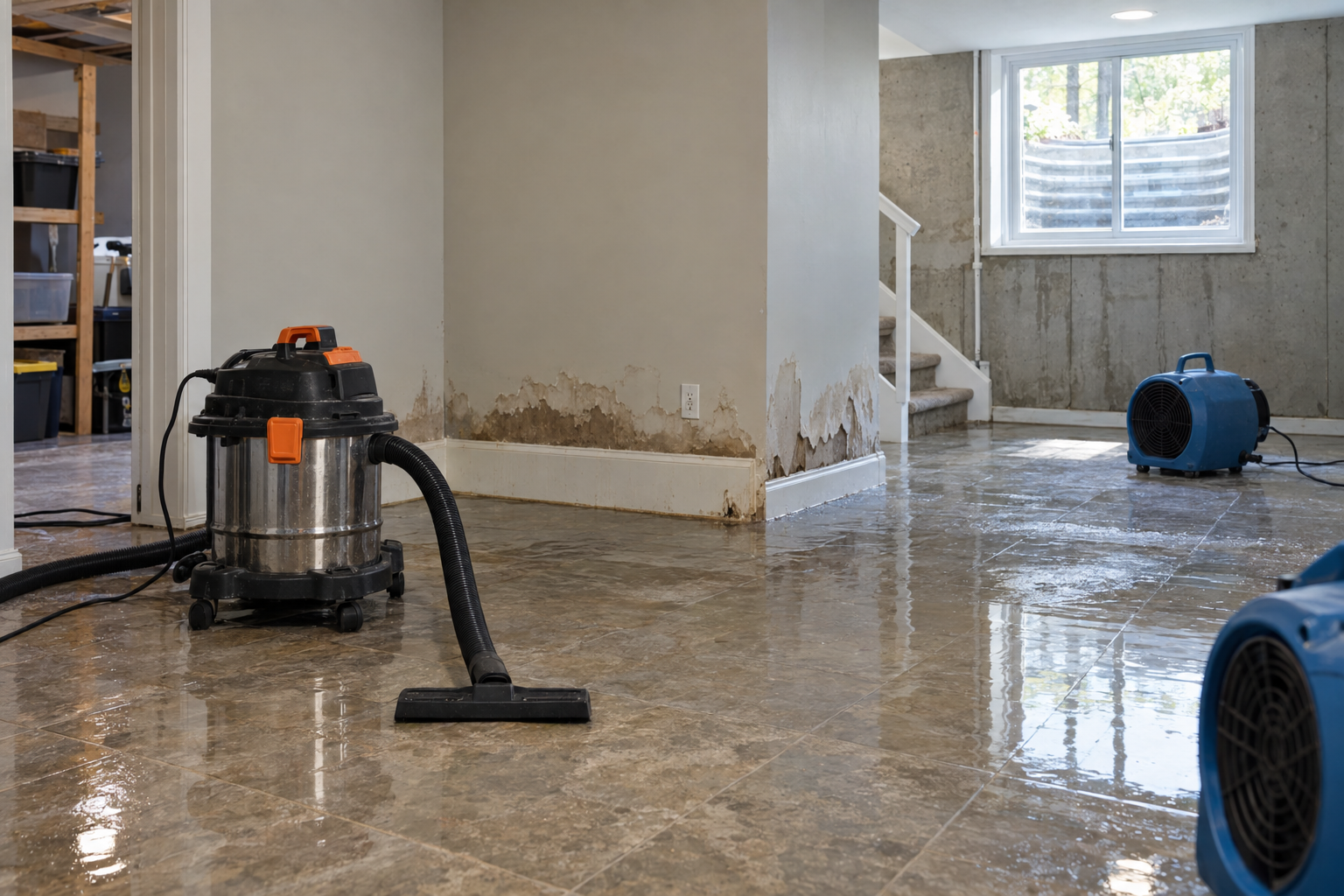
Water out. Drying underway. Next steps clear.
GET HELP WITH YOUR PROPERTY
Request an appointment.
Tell us about your issue. Our team will help you understand the next step.
- Veteran owned
- Certified team
- NJ based
CAREFUL WORK. CLEAR NEXT STEPS.
HELP FOR YOUR LOWEST LEVEL
Get beyond the water you can see.
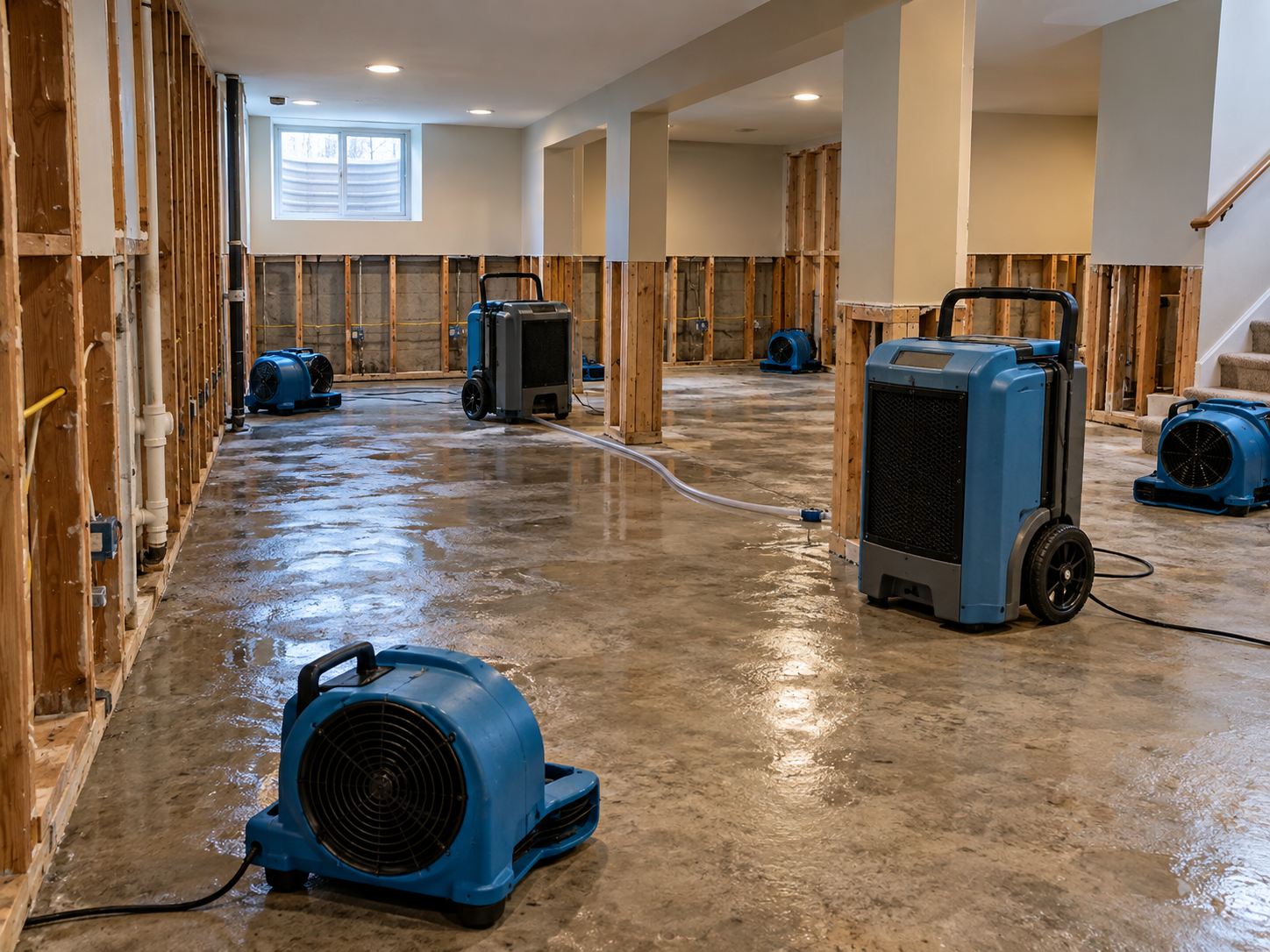
Basement flooding can leave flooring, drywall, insulation, and structural materials wet. Water may also remain behind finished walls or under floors after the visible pooling is gone.
Our team assesses the affected areas, removes standing water, addresses damaged materials where needed, and plans drying and dehumidification for the basement.
We also help identify the conditions that contributed to the flooding and explain remaining moisture concerns. If the loss involves sewage or suspected mold, those needs should be considered as part of the cleanup plan.
UNDERSTAND YOUR PROPERTY
Look at the full basement loss.
01
Standing water
Water collecting in a basement can affect finished rooms, utility areas, storage spaces, and the materials around them.
02
Wet floors and lower walls
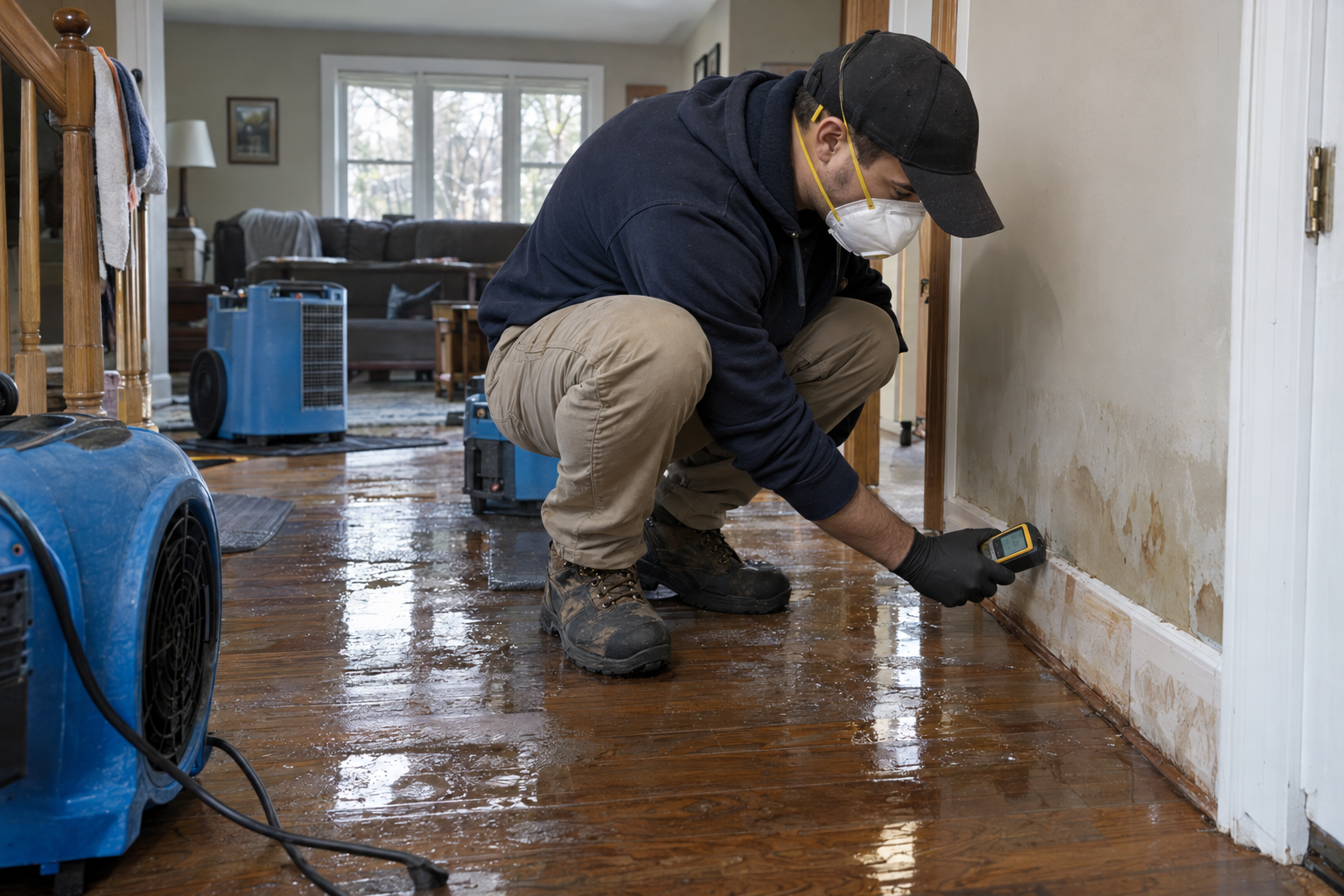
Flooring, drywall, baseboards, and insulation may need assessment after contact with flood water.
03
Moisture in concealed spaces
Wall cavities, subfloors, and structural materials may hold moisture after surfaces appear dry.
04
Sewage or mold concerns
Contaminated water, musty odors, or suspected mold may require additional cleanup or remediation beyond water removal.
HOW WE APPROACH THE WORK
A clear process.
A way forward.
The basement’s layout, water source, and affected materials guide the cleanup, drying, and next steps.
01
Assess the basement
Review the flooding, affected areas, and the conditions that may have contributed to the water entry.
02
Review related concerns
Consider concealed moisture, damaged materials, and any sewage or mold concerns when planning the work.
03
Remove standing water
Extract accumulated water from the affected basement areas.
04
Address damaged materials
Remove affected materials where needed as part of the cleanup and drying scope.
05
Dry and dehumidify
Use drying equipment and moisture control suited to the basement and the materials affected.
06
Review the remaining work
Review moisture conditions and explain any remaining restoration or related remediation needs.

VETERAN OWNED. NEW JERSEY FOCUSED.
Certified. Licensed.
Ready to help.
Based in Kinnelon, our team serves New Jersey homes and businesses with careful work, clear communication, and respect for your property.

LOOK AT THE WHOLE PROPERTY
Connected concerns.
Coordinated care.
Basement flooding can involve more than standing water. The cleanup plan may also need to address contamination, concealed moisture, or mold in affected materials.
ANSWERS BEFORE YOU CALL
A few things to know.
What can cause basement flooding?
Basement flooding can follow heavy rain, seepage, sump pump problems, plumbing failures, or appliance leaks. Identifying the conditions behind the flooding helps inform the cleanup and remaining work.
How quickly should basement water be removed?
Contact a restoration team promptly. Water can affect flooring, drywall, insulation, and concealed areas. Mold Men NJ provides 24/7 emergency service for basement flooding in New Jersey.
Can water remain hidden after a basement flood?
Yes. Moisture may remain beneath flooring, behind walls, and in insulation or structural materials after standing water has been removed. Drying needs depend on the affected materials and conditions.
Can basement flooding lead to mold growth?
Materials that remain damp can create conditions that support mold. Drying and addressing ongoing moisture concerns are important, and suspected mold may require a separate remediation scope.
What if the flooding includes a sewage backup?
Sewage cleanup requires attention to contamination as well as moisture. Avoid unnecessary contact with affected areas and call for professional assessment of the cleanup and damaged materials.
What happens after the flood water is removed?
The work may include removal of damaged materials, drying, dehumidification, and a final moisture review. Our team explains remaining cleanup, restoration, or related remediation needs.
LET’S TAKE THE NEXT STEP
Ready when you need us.
Call our team or request an appointment online.
Veteran-owned mold remediation
and water damage restoration.
(201) 279-6078
moldmennewjersey@gmail.com
36 Banta Rd, Kinnelon, NJ 07405